
Seoul’s Eulji-ro: Discovering Flavors in Old Alleys
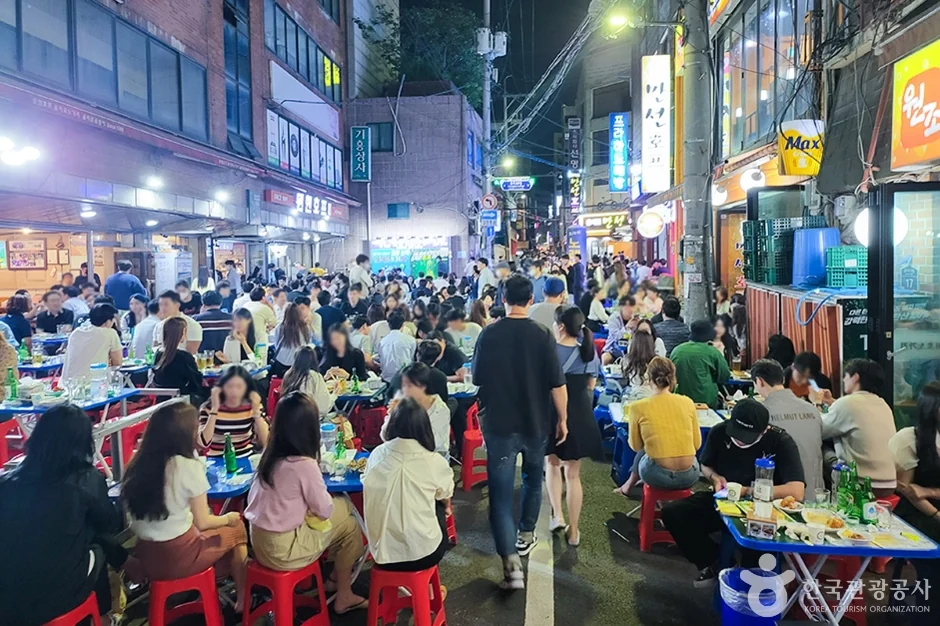
Experience a side of Seoul where you dine in working-class alleys and spend your evenings sharing Golbaengimuchim and nogari with coworkers. This guide connects historic restaurants with two famous food alleys between Euljiro 3 (sam)ga and Euljiro 4 (sa)ga, inviting you to wander through the area without the pressure of visiting every stop in one go.
The best way to explore Eulji-ro as a gourmet destination is not by trying to visit every famous restaurant in one day. During the day, the area is defined by its print shops, hardware stores, and long-standing eateries. By evening, a unique after-work culture emerges, centered around Golbaengimuchim and nogari snacks. As you travel just a few blocks between subway stations, you will notice that not only does the food change, but the very purpose and atmosphere of the alleys shift as well.
Daytime in Eulji-ro: An Alley That Was a Workplace Before a Tourist Destination
The area around Euljiro 3 (sam)ga and Euljiro 4 (sa)ga has long been a commercial hub for printing, lighting, and hardware shops. The sight of restaurants and trendy new shops tucked between weathered signs is one of the reasons this area is nicknamed ‘Hipji-ro.’ Official Seoul tourism information also presents Eulji-ro as a street where people work by day and gather by night.
The local food scene is deeply connected to the daily lives of those who work here. It is best to pick one or two restaurants and take your time walking through the surrounding alleys. Since these narrow paths are active sites for work vehicles and equipment, please be careful not to obstruct entrances or workspaces while exploring or taking photos.
The Two Faces of Lunch: Between Pyeongyangnaengmyeon and Sundaegukbap
Woo Lae Oak — A Timeless Scene of Seoul’s Urban Gourmet Travel
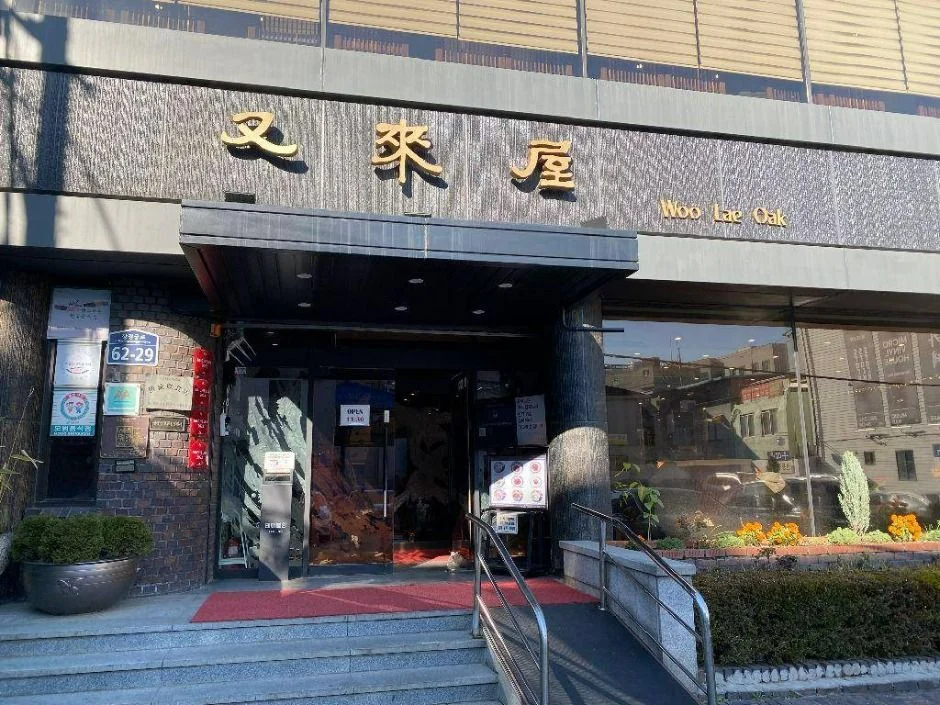
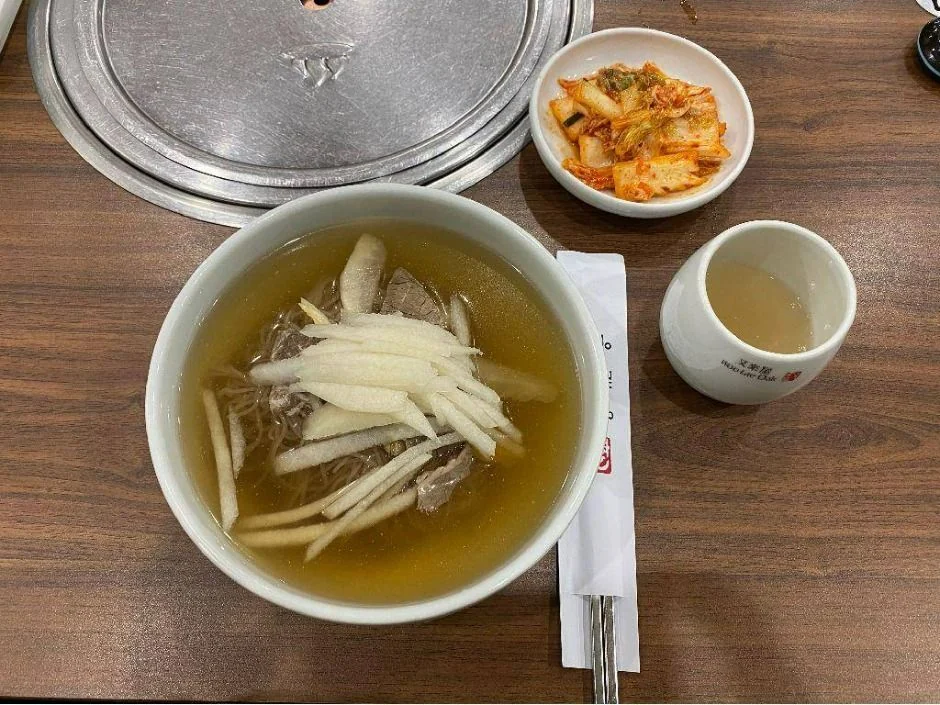
Woo Lae Oak is a Pyeongyangnaengmyeon (Pyeongyang Cold Buckwheat Noodles) and bulgogi (Bulgogi) specialty restaurant near Euljiro 4 (sa)ga. Official Seoul tourism information highlights the refreshing, subtle flavor of its beef-based broth. Updated as of September 2026, the guidance notes that the restaurant is closed on Mondays and open Tuesday through Sunday. For travelers unfamiliar with Pyeongyangnaengmyeon, this is an excellent choice to experience cold Buckwheat Noodles and a clean, traditional broth.
If you choose Woo Lae Oak, starting your journey near Euljiro 4 (sa)ga is the most natural approach. As it is a popular spot, expect waiting times; it is advisable to allow plenty of time for lunch and check the restaurant’s operational status and queuing procedures for the day. Once you finish your meal, head toward Euljiro 3 (sam)ga through the commercial alleys.
 |
 |
Sansugapsan — A Hearty Meal Between the Market and Workplace
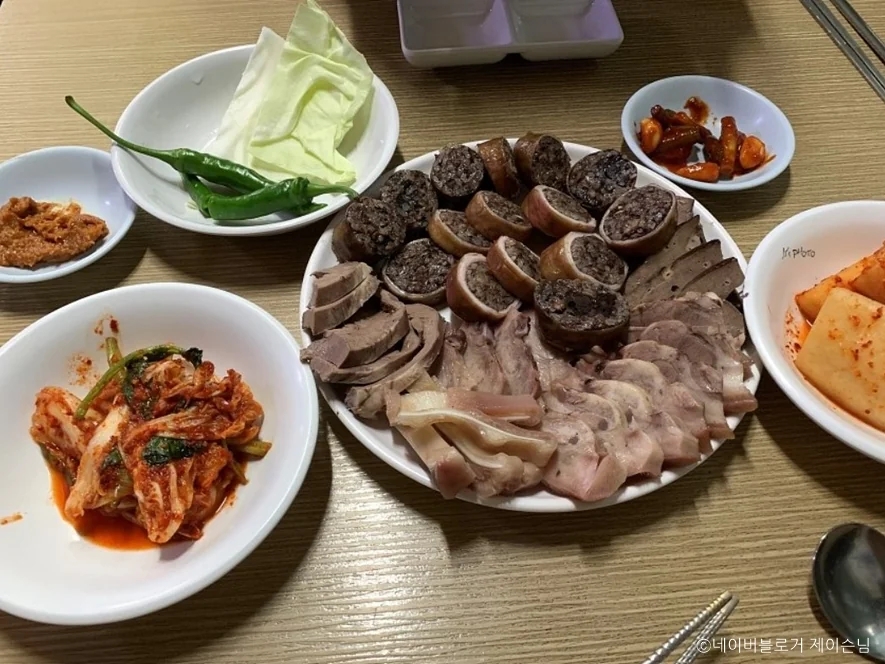
Sansugapsan in Eulji-ro is known for its Sundaegukbap (Blood Sausage and Rice Soup), sundae jeongsik (Set Menu with Traditional Korean Blood Sausage), and assorted Sundae (Blood Sausage) platters. ‘Sundae’ is a traditional Korean sausage, and this restaurant’s specialty features pig intestines filled with various ingredients. If you are unfamiliar with offal, you may want to confirm the ingredients before ordering.
Sansugapsan is not necessarily a secondary lunch stop that must be visited alongside Woo Lae Oak; both are excellent, independent choices depending on your travel preferences. While official tourism data and recent restaurant information note that the shop is closed on Sundays and has afternoon preparation hours, specific operating times can vary across sources, so it is recommended to double-check the shop’s own announcements before visiting.
Supyo-ro Golbaengimuchim Alley: Sharing a Plate After Work
Near Euljiro 3 (sam)ga Station, the area around Supyo-ro is home to many eateries serving Golbaengimuchim (Spicy Sea Snails Salad). Golbaengimuchim is made with sea snails, and the Eulji-ro style typically includes green onion salad and spicy seasoning, making it a popular dish to share among colleagues. The charm of this area lies in having an entire alley dedicated to a single culinary culture rather than just one ‘must-visit’ restaurant.
Popular candidates for a visit include Pungnam Golbaengimuchim and Yeongnak Golbaengimuchim. As both locations feature different operating hours and closure days based on official information, it is more practical to select one to enjoy. Even if you do not dine at these restaurants, walking the alley to observe the shop signs and the evening atmosphere will give you a good sense of the local after-work culture.
If you have trouble with spicy food or have seafood allergies, please check the ingredients, spice levels, and side dishes before ordering. It is safer not to rely on outdated pricing or operating hours.
Chungmuro 9-gil Nogari Alley: A Night of Beer and Dried Fish
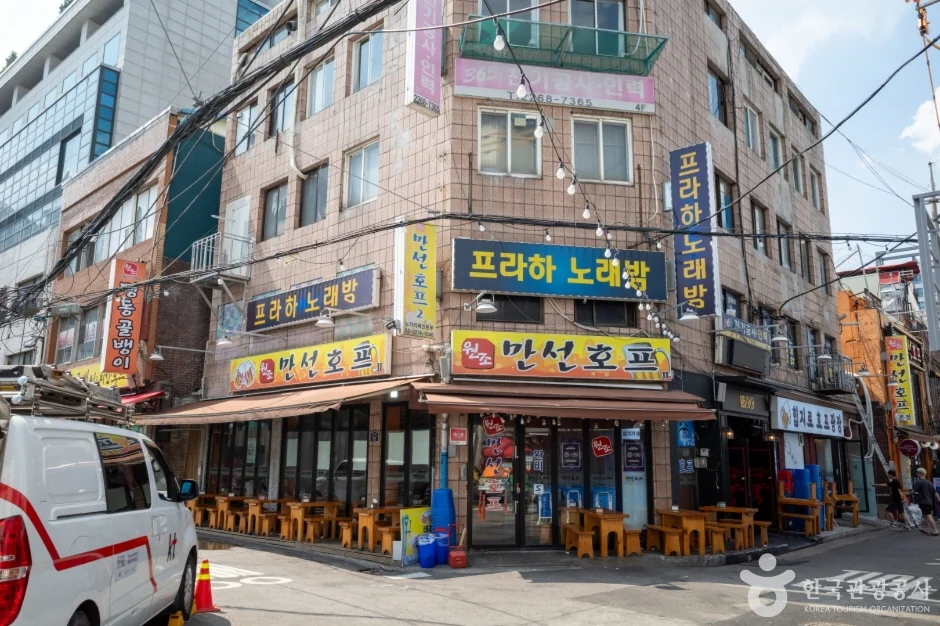
If you want to experience a different vibe from the Golbaengimuchim alley, check out the nogari (Dried Young Pollack) alley on Chungmuro 9-gil near Euljiro 3 (sam)ga Station. Official Seoul tourism information describes this as a historic food street centered around nogari and beer. Nogari is dried young pollack, a quintessential snack enjoyed with beer at Korean pubs.
While the outdoor seating scene that made this place famous is frequently featured in photos and travelogues, you should not assume that past images reflect current daily operations. The layout of indoor and outdoor seating and the use of pedestrian space may change, so observe the atmosphere of the alley and follow on-site instructions. If you plan to visit specific establishments like Manseon Hof, confirm the branch name and exact address.
The Nogari Alley is not exclusively for those who want to drink. Simply understanding the context—that these urban alleys have long served as the evening refuge for workers—provides a clue as to why industrial districts and gourmet food alleys coexist here.
Not a Single Course, But a Gourmet Trip to Choose and Walk
If you have time during the day, try having lunch at either Woo Lae Oak or Sansugapsan, then explore the nearby print and hardware alleys. In the evening, pick either the Golbaengimuchim Alley on Supyo-ro or the Nogari Alley on Chungmuro 9-gil as your dinner spot, while using the other for an alley-walk experience. If you find two meals in one day too heavy, heading straight to the Euljiro 3 (sam)ga area for the evening is also a great option.
| Selection Section | Key Experiences | Notes |
|---|---|---|
| Day · Euljiro 4 (sa)ga Area | Lunch at Woo Lae Oak or Sansugapsan, walk through the workshop alleys | Check waiting times, preparation hours, and holidays |
| Evening · Supyo-ro | Golbaengimuchim Alley and the culture of shared Korean snacks | Check for spice levels and seafood ingredients |
| Evening · Chungmuro 9-gil | Nogari Alley and after-work pub culture | Check outdoor seating status on-site |
TRAVEL MEMO | Eulji-ro Gourmet Walk
- How to Get There: Euljiro 3 (sam)ga Station (Subway Lines 2 and 3) or Euljiro 4 (sa)ga Station (Subway Lines 2 and 5).
- Recommended Time: Visit the print/hardware alleys and historic shops during the day, and explore the Golbaengimuchim and Nogari alleys in the evening.
- Gourmet Points: Select based on your preference for a meal of Pyeongyangnaengmyeon or Sundae, or snacks like Golbaengimuchim or nogari.
- Travel Tips: Feel free to select your lunch restaurant and evening alley independently. Always verify operating hours and rest days for each establishment before visiting.
Image Source: Korea Tourism Organization
Route preview
2Related Stories
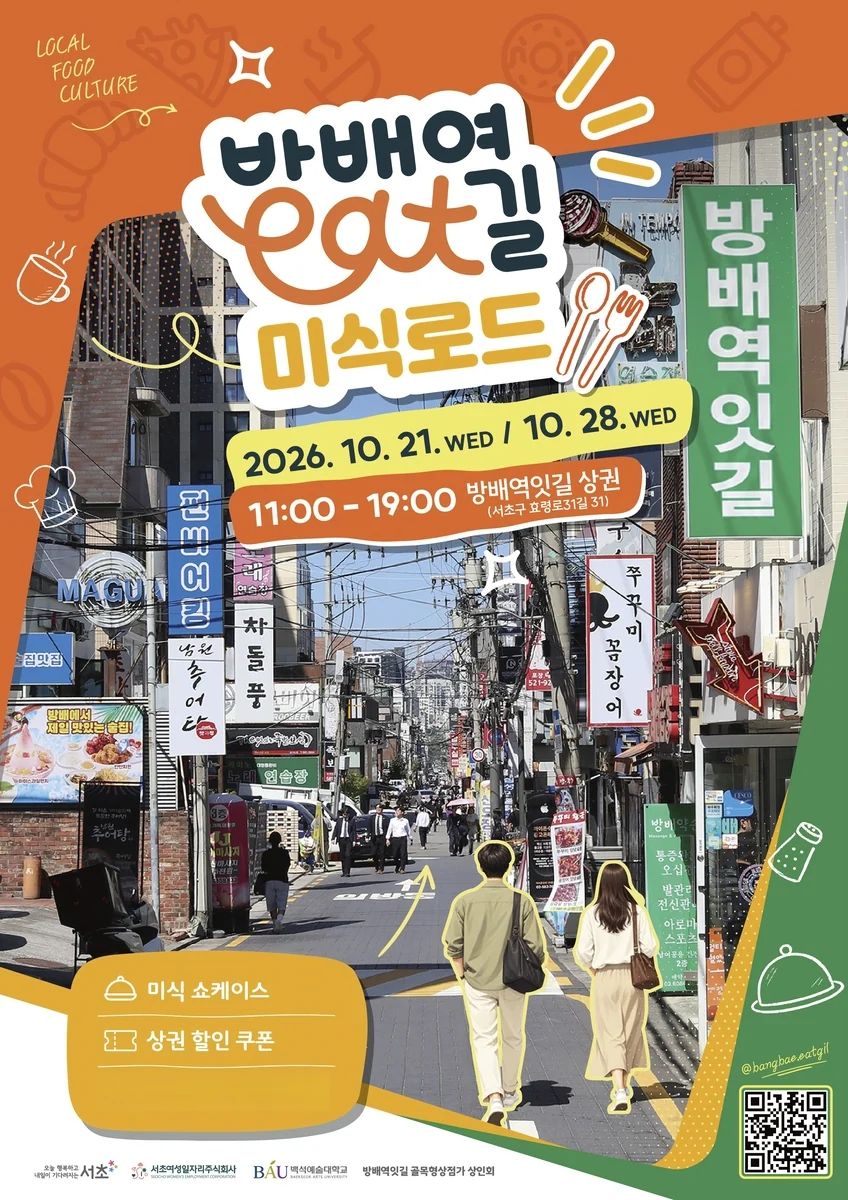
Seocho-gu Hosts ‘Bangbae Station It-gil Gourmet Road’ to Revitalize Local Alleys
Seoul's Seocho-gu announced that it will host the '2026 Bangbae Station It-gil Gourmet Road' on October 21 and 28. The event will take place…
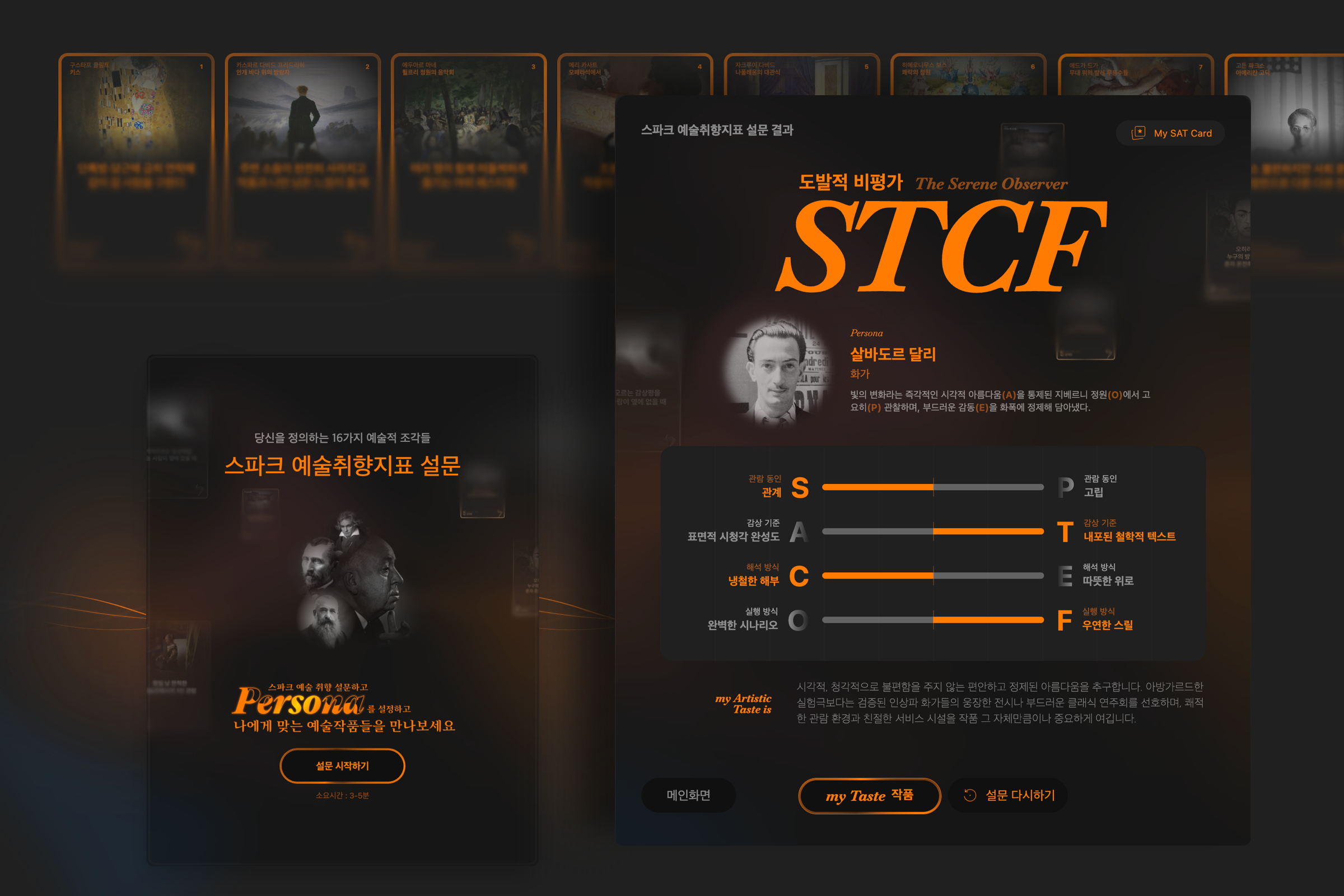
Seoul Foundation for Arts and Culture Revamps AI-Powered Integrated Arts Platform ‘SPAC’
The Seoul Arts Information Platform 'SPAC', operated by the Seoul Foundation for Arts and Culture (SFAC), is set for a comprehensive revamp,…
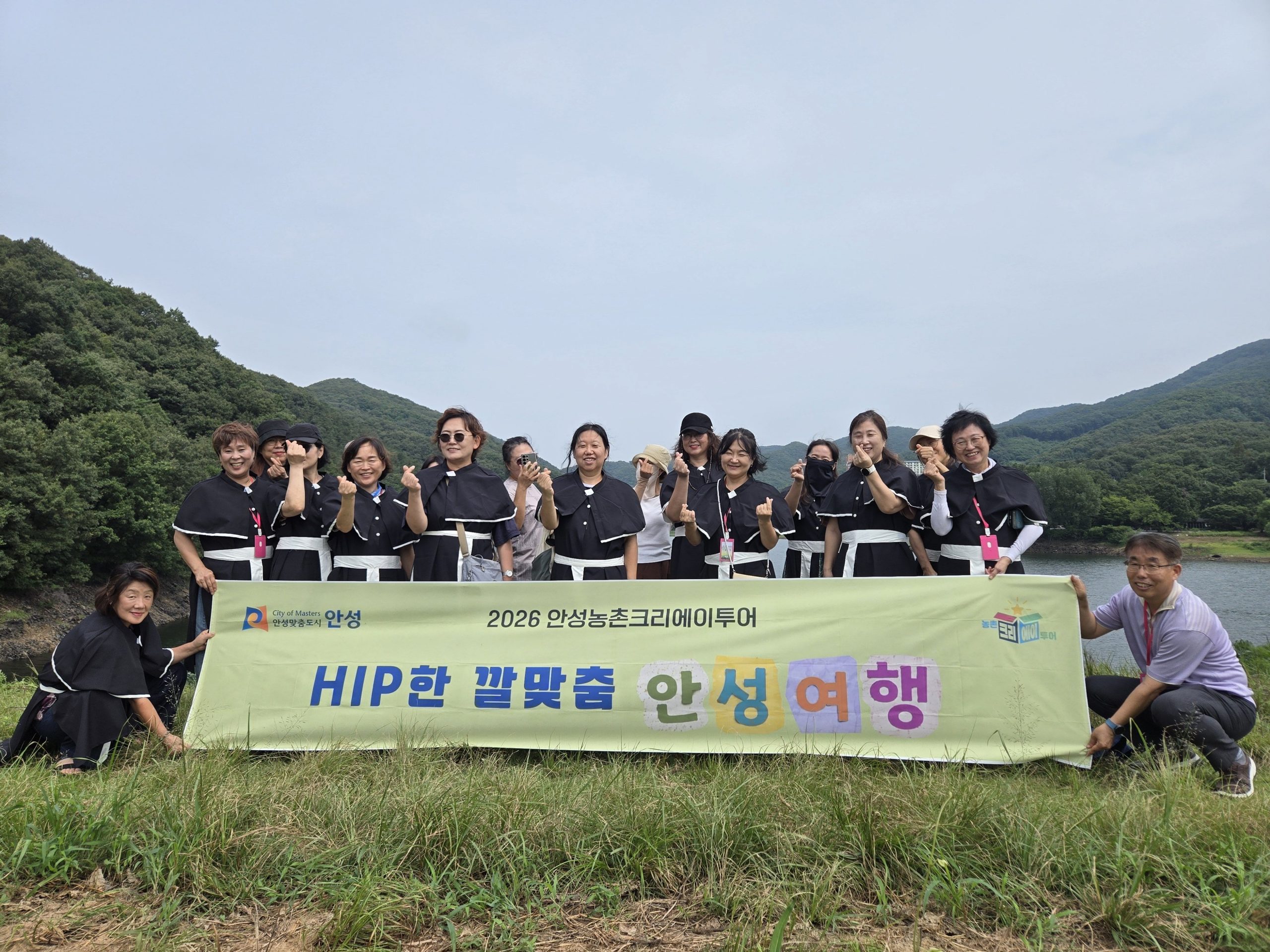
Anseong City Energizes Rural Tourism with ‘Hip & Tailored Anseong Tours’
Anseong City in Gyeonggi Province is breathing new life into rural tourism with its acclaimed 'Hip & Tailored Anseong Tours' program. This i…