
Walking Through the Time of Joseon at Gyeongbokgung Palace
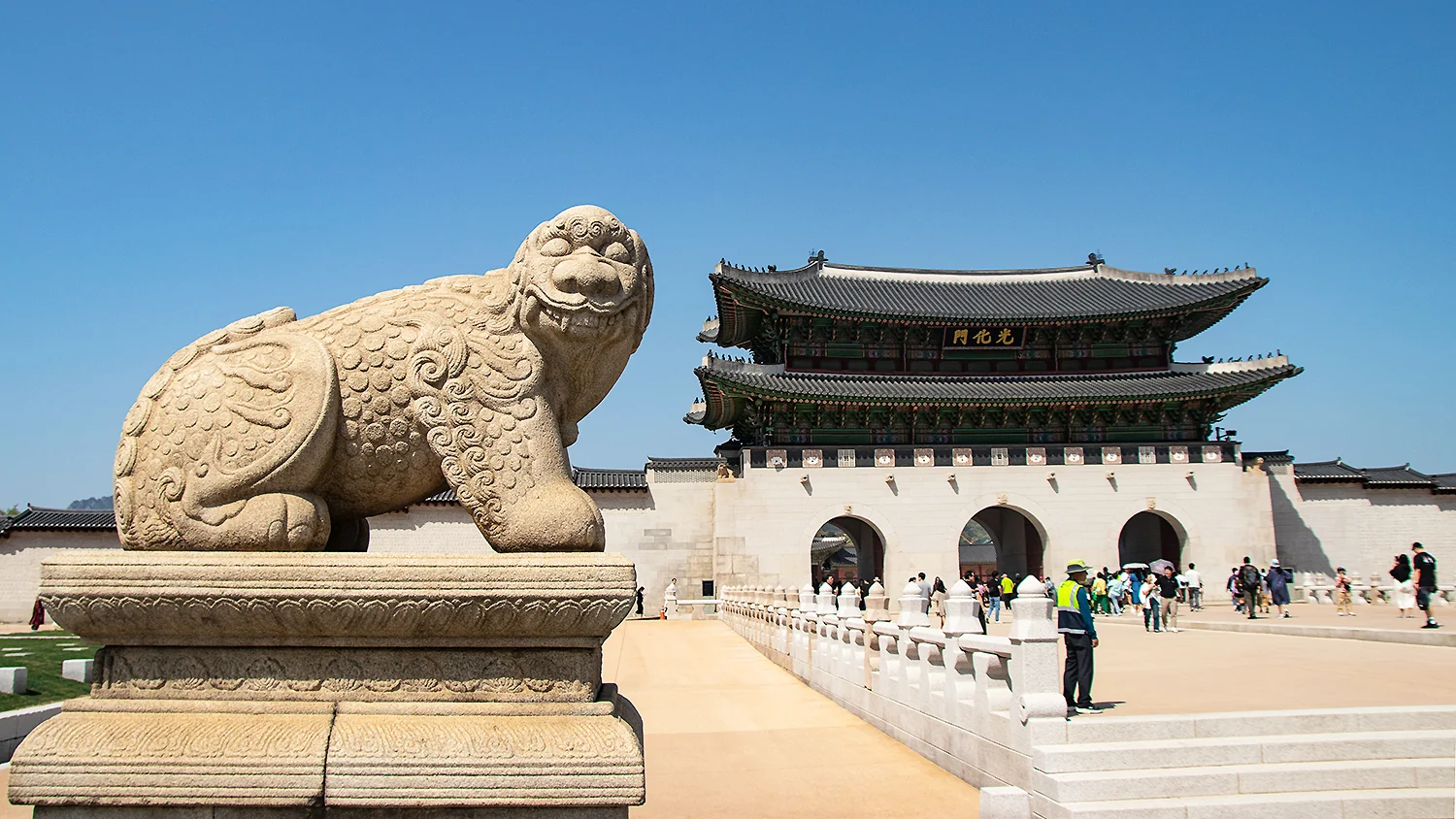
Founded in 1395, Gyeongbokgung Palace is a tapestry of history: pavilions rebuilt during the reign of King Gojong, spaces lost during the Japanese colonial period, and modern reconstructions. When walking through Gyeongbokgung Palace, the true value lies not in memorizing names, but in reading which era each landscape tells.
When looking at Gwanghwamun Gate, are we seeing the gate of the Joseon Dynasty from 600 years ago, or a modern reconstruction? The answer is not either-or. Gyeongbokgung Palace holds within it the original design of the legal palace built by the new dynasty in 1395, King Gojong’s reconstruction efforts to revive the long-abandoned site, the damages of the colonial era, and the subsequent modern restorations. Therefore, it is as important to understand the age of these buildings and the reasons for their reconstruction as it is to admire their architectural grandeur.
When exploring Gyeongbokgung Palace, the questions to guide you are simple: Where was royal authority manifested? Where did actual governance take place? Where did the royal family reside? Is what we see today the original structure or a recreation based on historical records? Following these questions reveals the many different faces of the same palace.
Gwanghwamun Gate and the Woldae | Where the Palace Front Meets the City
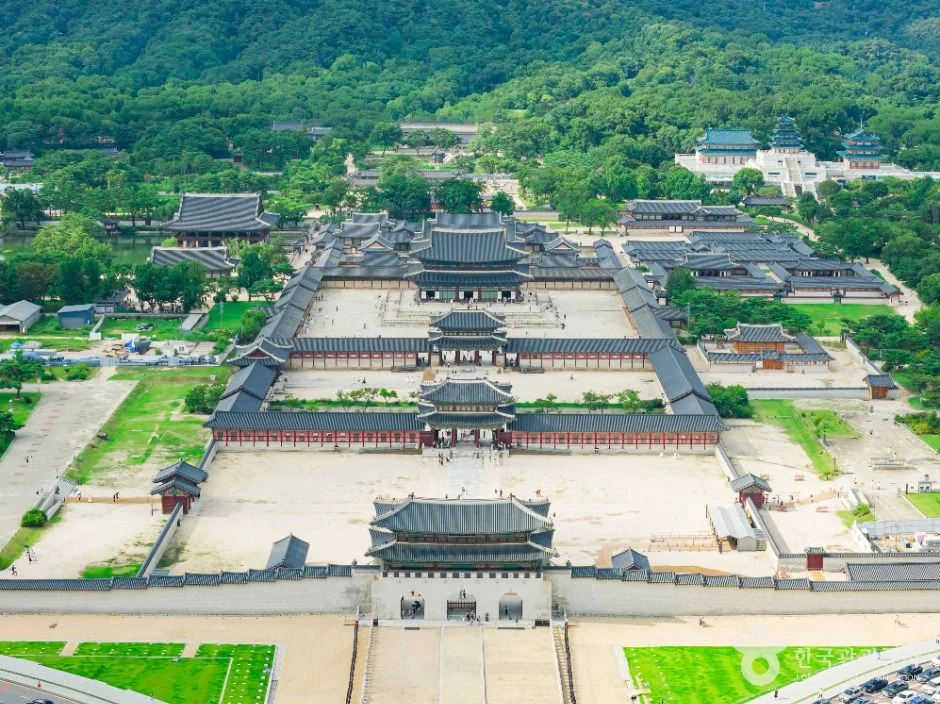
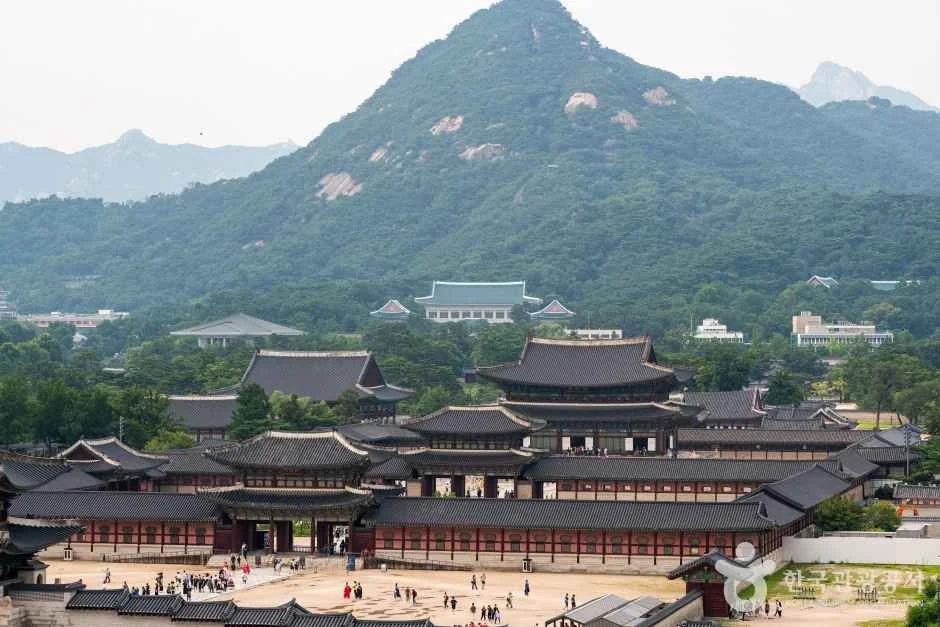
Gyeongbokgung Palace is the legal palace of the Joseon Dynasty, established in 1395 during the reign of King Taejo. Facing Gwanghwamun, the main gate, one can visualize the axis formed by the backdrop of Bugaksan Mountain and the city layout. The area in front of the palace, which was once home to Yukjo Street, has now transformed into Gwanghwamun Square and modern roads. Observing the city beyond the palace helps one understand how the new dynasty expressed the heart of its capital.
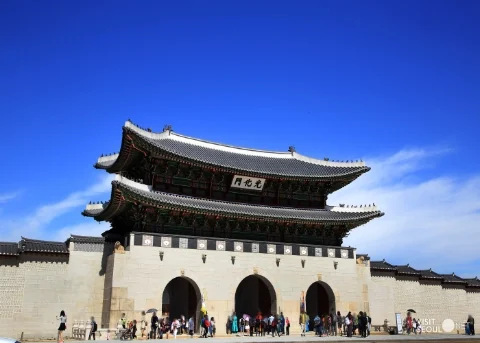
In front of Gwanghwamun lies the Woldae, a wide, stone-raised platform restored and opened to the public in 2023. Examining the royal path, stone carvings, and Haetae statues reveals that this area was not merely a thoroughfare but a symbolic space. Note that today’s Gwanghwamun and Woldae are not composed of the original Joseon-era materials; the gate has undergone multiple changes and was restored in 2010, while the Woldae was revealed based on archaeological excavation and historical research.
After passing Gwanghwamun, rather than heading straight to Geunjeongjeon Hall, take time to appreciate the sequence of gates and courtyards through Heungnyemun Gate and Yeongjegyo Bridge. This area was once obscured by the Japanese General Government of Korea building. Following the removal of that structure between 1995 and 1997 and the subsequent restoration of the Heungnyemun area, the current vista was brought back to life; its open appearance is also a result of historical change.
Geunjeongjeon and Sajeongjeon | Rituals and Governance
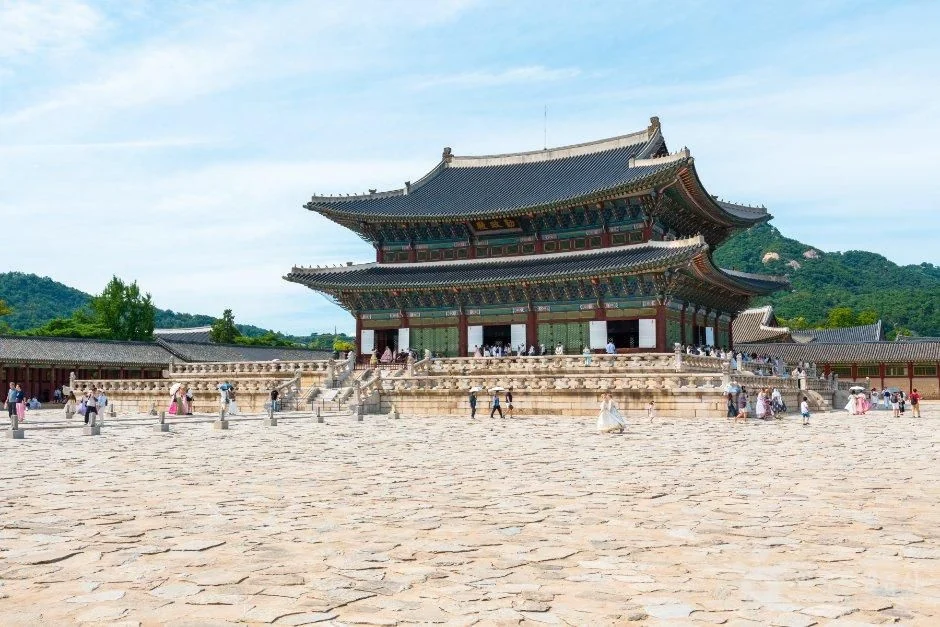
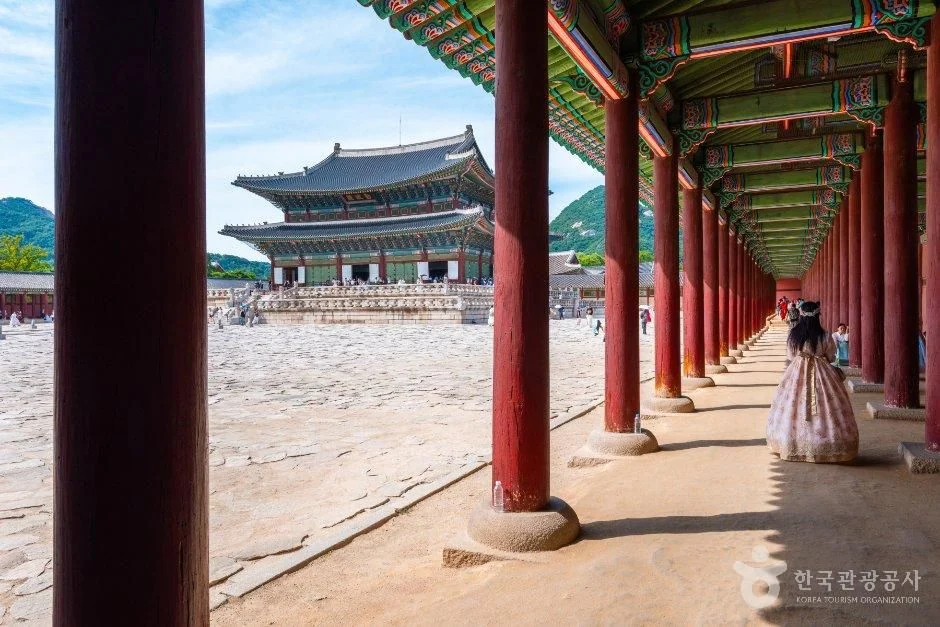
Passing through Geunjeongmun Gate, the grand courtyard and Geunjeongjeon Hall unfold. Geunjeongjeon served as the main hall for coronation ceremonies and major national rites. Observe not just the building, but the two-tiered Woldae, the stone pavement of the courtyard, and the rank stones lining the sides. These stones, which indicated where officials stood, along with the high platform for the king, physically express the social hierarchy and order of state rituals. The animal sculptures on the Woldae and the decorative carvings around the stairs are also worth a close look.
The current Geunjeongjeon is not the 14th-century original. After the palace was lost to fire during the Imjin War, the building was reconstructed as a wooden structure in 1867 during the reign of King Gojong. It is currently designated as a National Treasure. While the palace is often described as ‘ancient,’ remember that some structures are 19th-century reconstructions, while others have been recently restored.
The area around Sajeongjeon Hall behind Geunjeongjeon has a different character. Unlike the main hall for national rituals, this was the king’s office, where he discussed state affairs with officials. Contrasting the grand courtyard of Geunjeongjeon with the more functional, practical space of the office building clarifies that the king’s roles were clearly divided between ritual duties and daily governance.
Gangnyeongjeon and Gyotaejeon | Daily Life Behind the Royal Facade
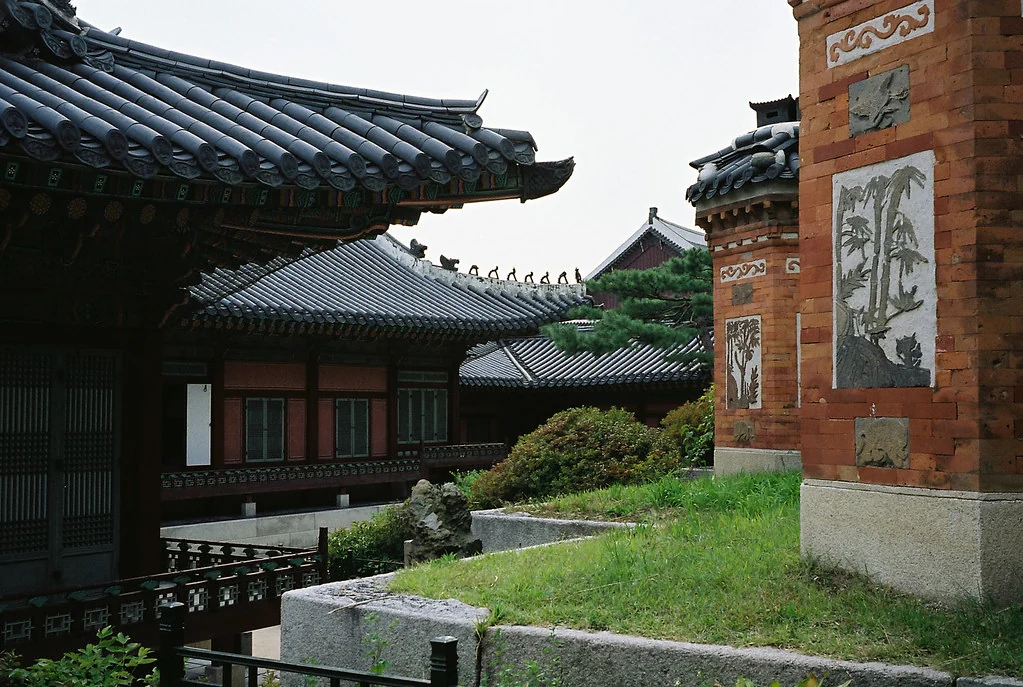
Venturing deeper into the palace, you encounter the areas of Gangnyeongjeon and Gyotaejeon, known respectively as the king’s bedchamber and the queen’s living space. These locations remind us that the palace was not only a massive government institution but also a home. Beyond comparing their decorations or size, look at the relationship between the courtyards and the buildings compared to the grand scale of the main hall.
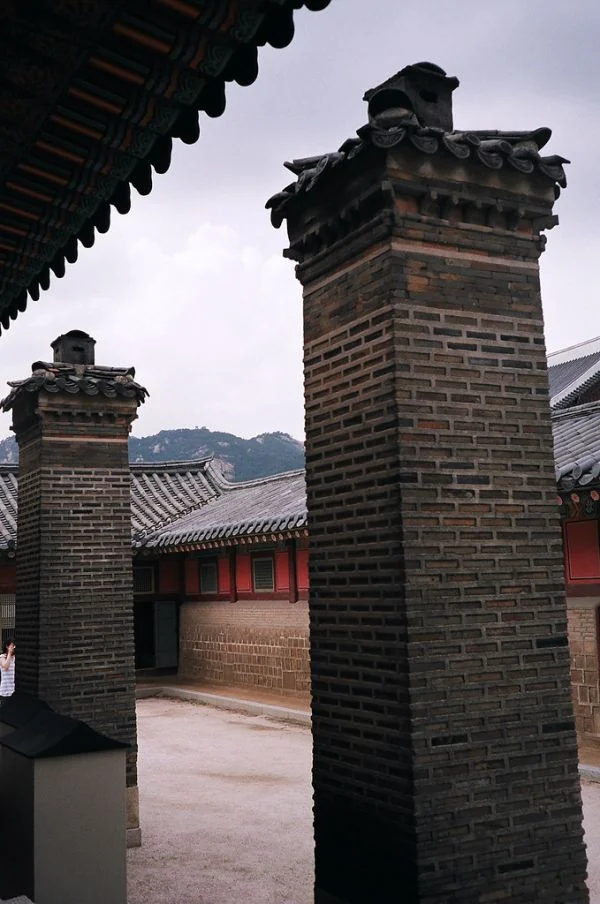
Behind Gyotaejeon, you can see how landscaping and domestic utility were combined at Amisan Garden. The tiered flower beds and decorative chimneys are a testament to how practicality, symbolism, and beauty were intertwined in the royal residence. Note that the chimneys were not merely background features but essential facilities for ventilating the Ondol, the traditional Korean heating system.
However, do not mistake the current Gangnyeongjeon and Gyotaejeon for the original buildings from their inception. This area was damaged during the colonial period and has been restored in stages since the 1990s; thus, the palace’s historical use and the construction date of the current structures should be considered separately.
 |
 |
Gyeonghoeru and Hyangwonjeong | Different Times by the Water
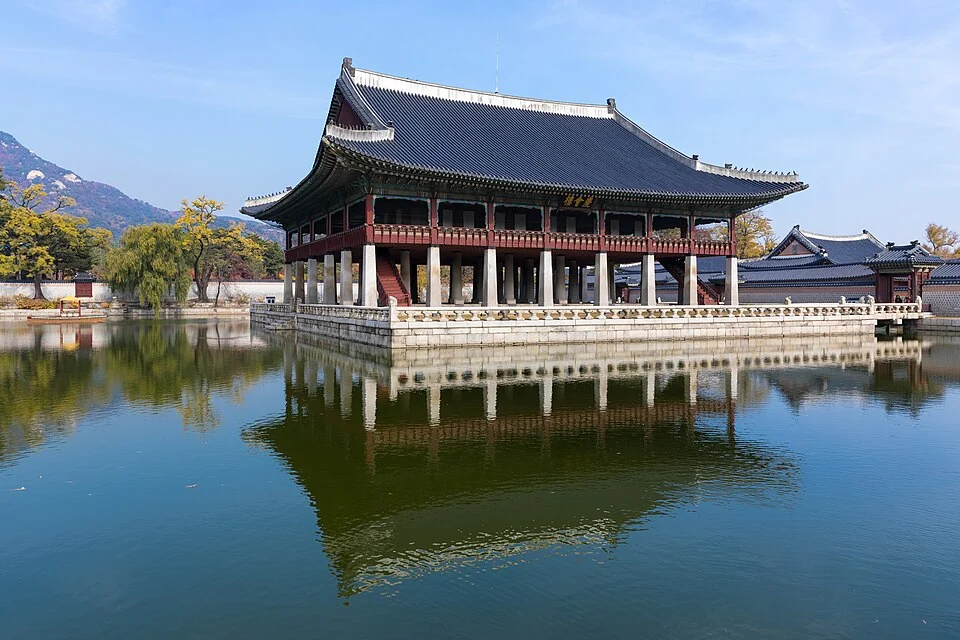
Two prominent places where you can encounter water at Gyeongbokgung Palace are Gyeonghoeru Pavilion and Hyangwonjeong Pavilion. While both are remembered for their beautiful pond landscapes, their purposes and atmospheres differed. Gyeonghoeru was a pavilion used by the king for banquets and receiving foreign envoys. Viewed from afar, the grand building standing in the wide pond creates a scene where architecture, water, and the surrounding mountains harmonize. The current pavilion was reconstructed in 1867 and is a National Treasure.
In contrast, Hyangwonjeong, located to the north, is a smaller, more intimate space featuring a pavilion, an island, and the Chwihyanggyo Bridge. When viewed alongside the northern palace area developed during the reign of King Gojong, one can appreciate the garden landscape that serves a different function from the national banquet space of Gyeonghoeru. Rather than just capturing the building reflected in the water, take a moment to look at the bridge and the scenery surrounding the pond.
Please note that special tours for areas such as the interior of Gyeonghoeru may operate differently from general public access. It is best to distinguish between the exterior views, which can be seen by any visitor, and the interior access that may require separate reservations, and to check the announcements from the Royal Palaces and Tombs Center before your visit.
Geoncheonggung | Upheaval in the Most Quiet Landscape
Geoncheonggung remained largely unrestored for a long time after being burned during the Imjin War in 1592. Reconstruction began in 1865, and major work was completed by 1867, with Geoncheonggung added in 1873. The palace during the time of King Gojong was not simply a return to the original layout, but a space reshaped for a new era.
Tragically, the northern Geoncheonggung remains a site of royal heartache. In 1895, Empress Myeongseong was assassinated in the Okhoru Pavilion of Geoncheonggung during the Eulmi Incident, and King Gojong moved to the Russian Legation in 1896. Comparing today’s serene atmosphere with these events reveals that behind the beautiful architectural landscape lies a history of political violence and rapid shifts in international affairs.
The current Geoncheonggung is a reconstructed space following past damage. It is more accurate to understand it as a site of historical significance and a restored space rather than identical to the buildings that stood during the historical events.
Lost Pavilions and Rebuilt Palaces | Restoration as Part of History
To fully appreciate Gyeongbokgung Palace, one must look beyond the beautiful buildings currently standing. Many pavilions were demolished in preparation for the Joseon Industrial Exhibition in 1915, and the Japanese General Government of Korea building significantly altered the front of the palace in 1926. There is a history to be explained even in the sites where buildings are no longer present.
Full-scale restoration began in the 1990s, and areas such as the bedchamber complex, Heungnyemun Gate, Gwanghwamun Gate, and Geoncheonggung have been systematically restored. In 2023, the Gyejodang Hall of the Crown Prince’s palace was also restored. Thus, the palace we see today is not a single, frozen moment in time, but the result of accumulated historical research, excavation, and restoration projects.
The founding of the dynasty, the 19th-century reconstruction, the damage during the colonial era, and modern-day restoration are all distinct chapters of history. Travelers who walk with a critical eye, asking ‘what was built when,’ will discover deeper layers of history within the same Gyeongbokgung Palace.
 |
 |
How to Walk Through Gyeongbokgung Palace | Two Options for Understanding
For a first-time visitor, compare the ritual space of Geunjeongjeon, the political space of Sajeongjeon, and the living spaces of Gangnyeongjeon and Gyotaejeon after passing through Gwanghwamun and Heungnyemun. Selecting either Gyeonghoeru or Hyangwonjeong for a waterfront experience will allow you to grasp the different functions of the palace. This is not a fixed route, but a suggestion for exploring the themes of this article.
For a repeat visit, a tour based on historical eras is recommended. Try distinguishing between the 1867 reconstructions, such as Geunjeongjeon and Gyeonghoeru, and the modern restorations like the bedchambers, Geoncheonggung, and the Gwanghwamun area. Looking at the gaps where buildings once stood and identifying the traces of restoration will make the history of Gyeongbokgung Palace even more vivid.
TRAVEL MEMO | Quick Checklist Before You Go
- Location: 161, Sajik-ro, Jongno-gu, Seoul. You can access the palace via Gyeongbokgung Station (Subway Line 3) or Gwanghwamun Station (Subway Line 5).
- Operating Hours: As of October 2026, viewing hours are 09:00–18:00 (last admission at 17:00), with regular closures every Tuesday. For November, the hours are 09:00–17:00 (last admission at 16:00). Opening hours and guided tours may be adjusted due to public holidays or special events.
- Admission: The standard adult admission fee is 3,000 won (as of October 2026). Check for details on free admission policies or future pricing before visiting.
- Special Access: Interior tours of Gyeonghoeru and night viewing events operate on separate schedules and conditions; do not assume they are always available. The Gyeongbokgung night tour in the second half of 2026 took place from September 2 to October 2.
- Special Notice: According to official announcements, free access is scheduled for October 29–November 15, 2026, excluding regular closure days. Please check the Royal Palaces and Tombs Center website for current schedules and specific conditions before your visit.
Image Sources: Wikimedia Commons · Korea Tourism Organization · Openverse · Seoul Tourism Organization Visit Seoul
Route preview
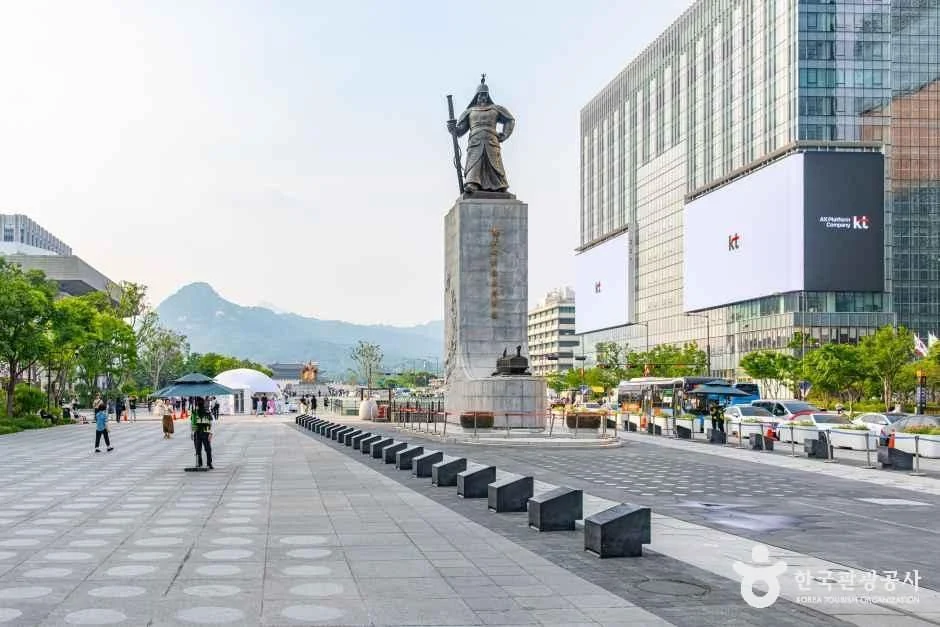
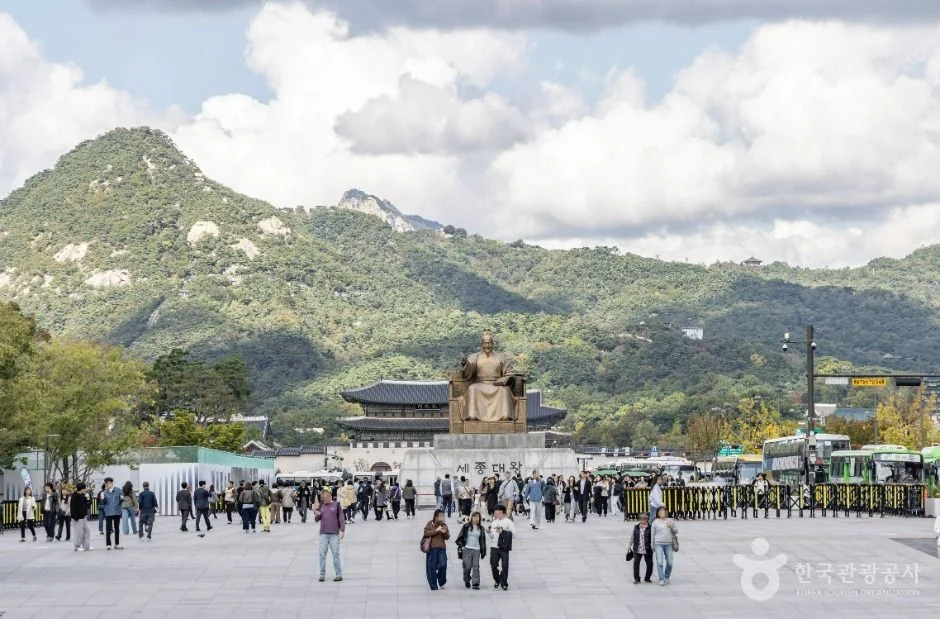
2Gwanghwamun Square
출처: 한국관광공사 TourAPI
Related Stories

Korea-China-Japan Fusion Art Forum Explores the Meaning of ‘We’
The international fusion art forum 'truly see you,' hosted by the Ministry of Culture, Sports and Tourism and co-organized by the Korean Fou…
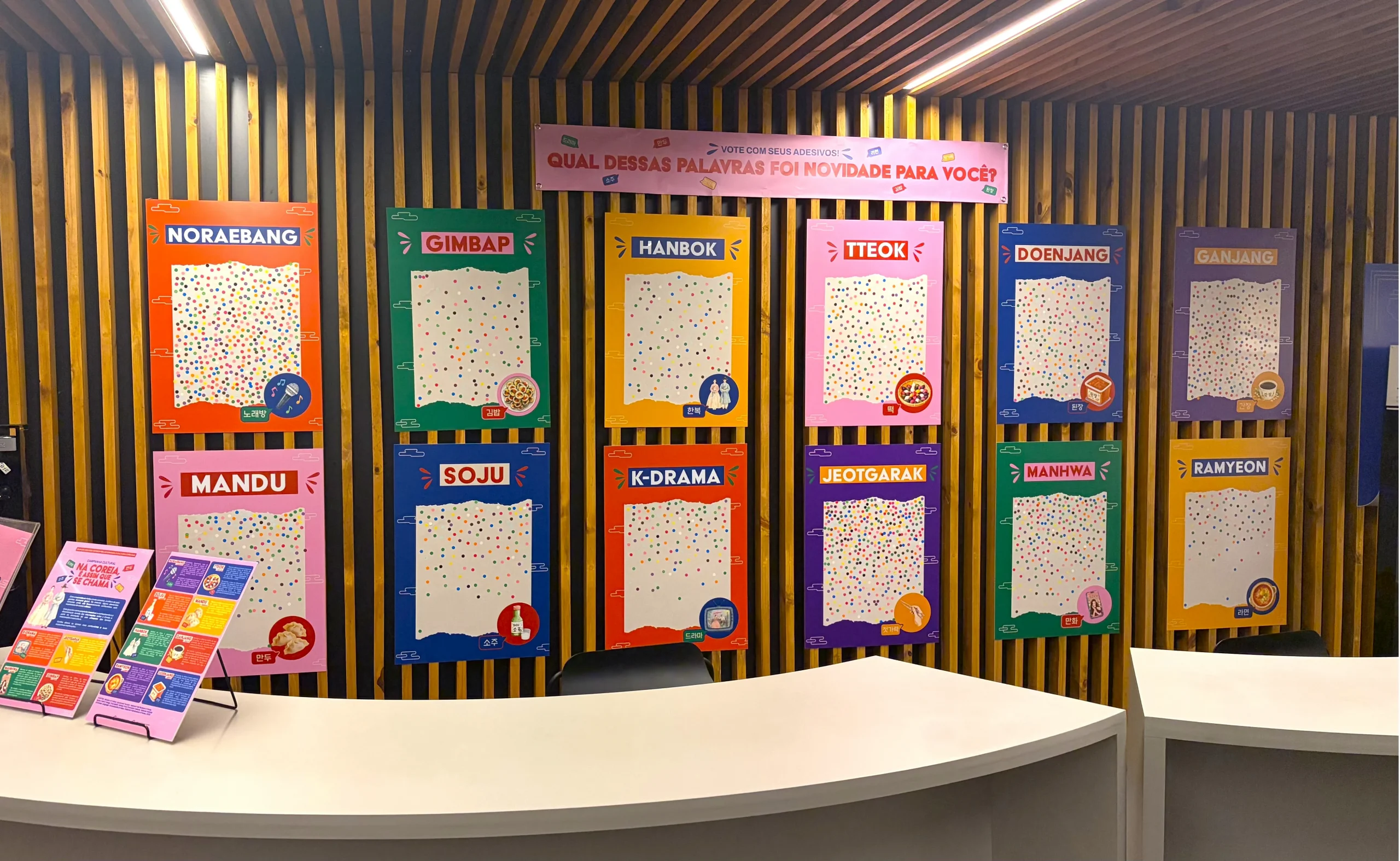
10,000 Brazil Fans Join ‘Correcting Korean Terms’ Campaign to Promote Authentic Language Use
A campaign titled 'Calling Korean Culture by Its Real Name,' co-hosted by the Korean Cultural Center in Brazil and the Korean Education Cent…
Korean Live Music Captivates Thailand and Vietnam: K-LIVE FESTIVAL Concludes Successfully
The K-LIVE FESTIVAL BAND:AGE, a highlight of the '2026 Korea Season' hosted by the Ministry of Culture, Sports and Tourism and organized by…