
How to Relax in Korea’s Forests: A Guide to Forest Healing Facilities Nationwide
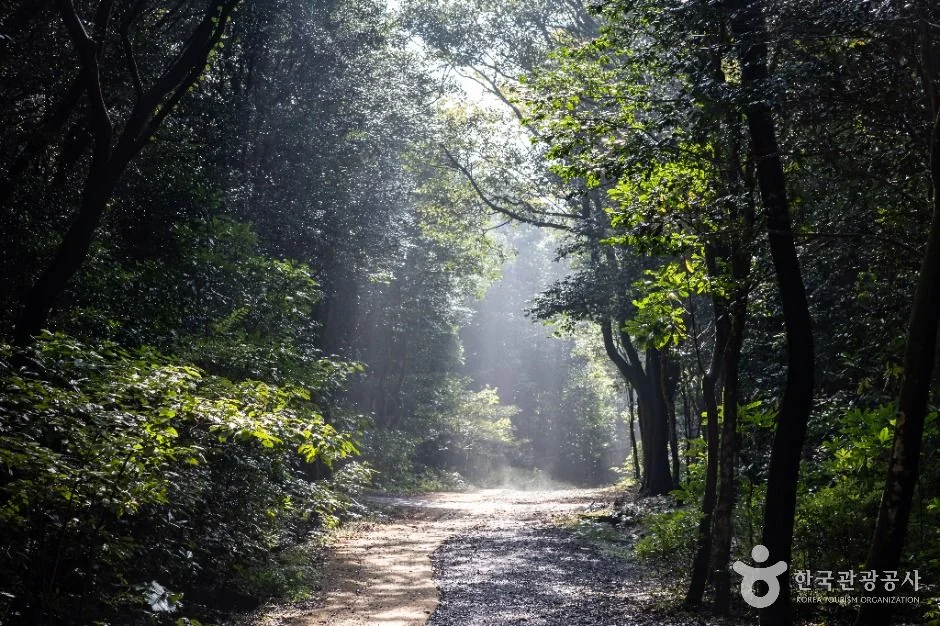
Forest healing facilities in Korea offer diverse experiences. From the healing forests in Yangpyeong and Daegwallyeong to those in Jecheon, Yeongju, Jinan, Iksan, Ulju, and Jeju, each location provides a unique atmosphere. This guide helps you choose the right destination based on your schedule and travel style.
From Enjoying the Forest to Choosing the Forest
Forests across Korea are all vibrant green, yet the time spent within them differs significantly. A slow walk through the pine groves of Daegwallyeong, participating in programs nestled between valleys and highlands, or booking a designated exploration time in a Jeju forest requires different levels of preparation and results in distinct experiences. When choosing a forest healing facility in Korea, it is better to first consider what you hope to gain from the forest rather than simply picking the most famous site.
Forest healing is an official term for activities that utilize natural environments, such as forest landscapes and scents, to promote health. However, in travel guides, “healing” should not be interpreted as medical treatment or a cure for specific illnesses. What visitors actually experience includes forest trail walking, guided group activities, access to relaxation spaces, and facility-specific wellness programs. Even in the same forest, independent exploration and reservation-based programs may have different access rules.
Terminology Matters: Forest Therapy Centers, Healing Forests, and Forest Recreation Centers
The National Center for Forest Therapy and the National Jinan Highland Forest Therapy Center operate as independent forest therapy complexes. In contrast, facilities with names like “National Yangpyeong Healing Forest” or “National Daegwallyeong Healing Forest” are distinct types of forest welfare spaces. Forest Recreation Centers are separate facilities that also offer forest education and experience programs. It is a mistake to assume that because the names sound similar, the requirements for lodging, meals, day trips, and booking procedures are identical.
The most significant difference lies in how you travel. The National Center for Forest Therapy distinguishes between lodging and daily experience programs on its official booking portal. Meanwhile, the healing forests in Yangpyeong and Daegwallyeong state in their operational information that they do not provide lodging or restaurant services. Identifying whether you plan to participate in a program for just the day or stay overnight will help narrow down your options quickly.
Capital Region and Gangwon: Forests that Slow the Pace of Daily Life
Yangpyeong — A Forest Worth Considering for a Quick Escape
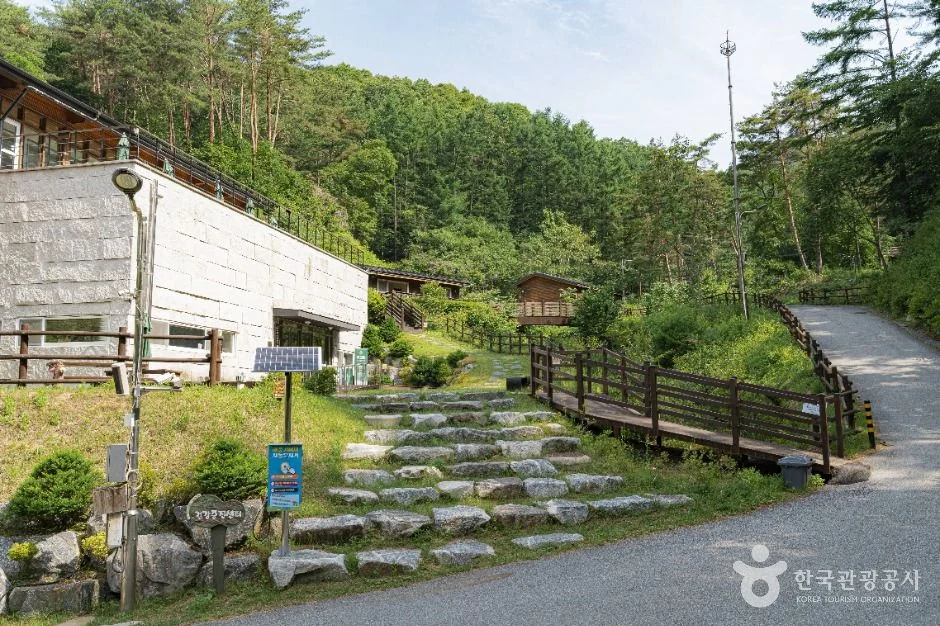
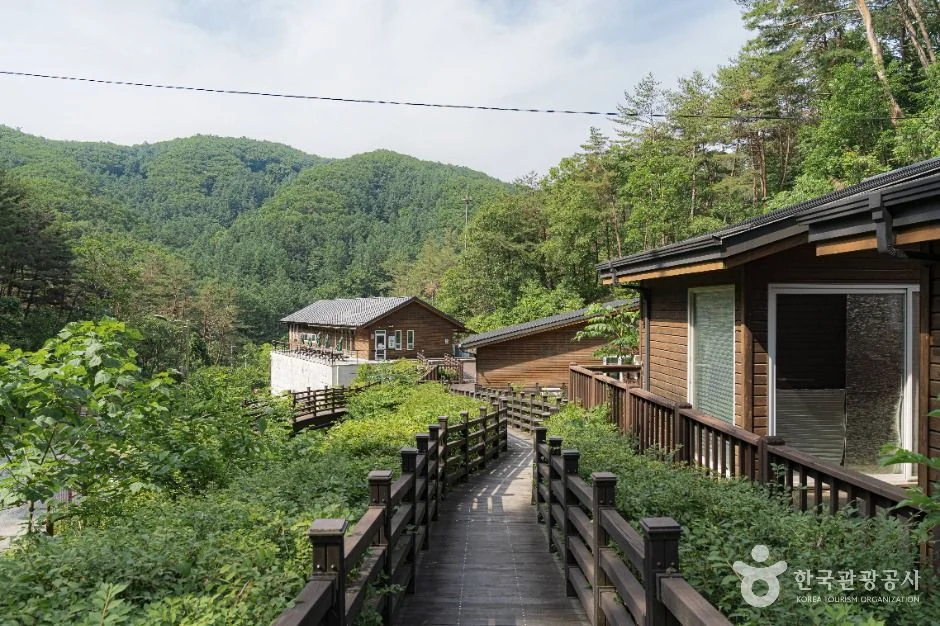
Gyeonggi-do Yangpyeong-gun The National Yangpyeong Healing Forest in Yangdong-myeon is a great option for travelers in the Seoul metropolitan area seeking forest programs. Official facility information highlights pine, larch, and Korean pine forests, alongside a health promotion center, thermal therapy rooms, and the ‘Sabujak’ trail. It is best suited for day trips focused on forest trails and programs rather than overnight stays.
However, don’t assume public transport is convenient just because it is in the metropolitan region. The management notes limitations in public transit access. It is essential to double-check transportation options and the start time of your reserved program to ensure you don’t spend more time traveling than actually enjoying the forest.
 |
 |
Daegwallyeong — Time Spent Beneath the Korean Red Pines
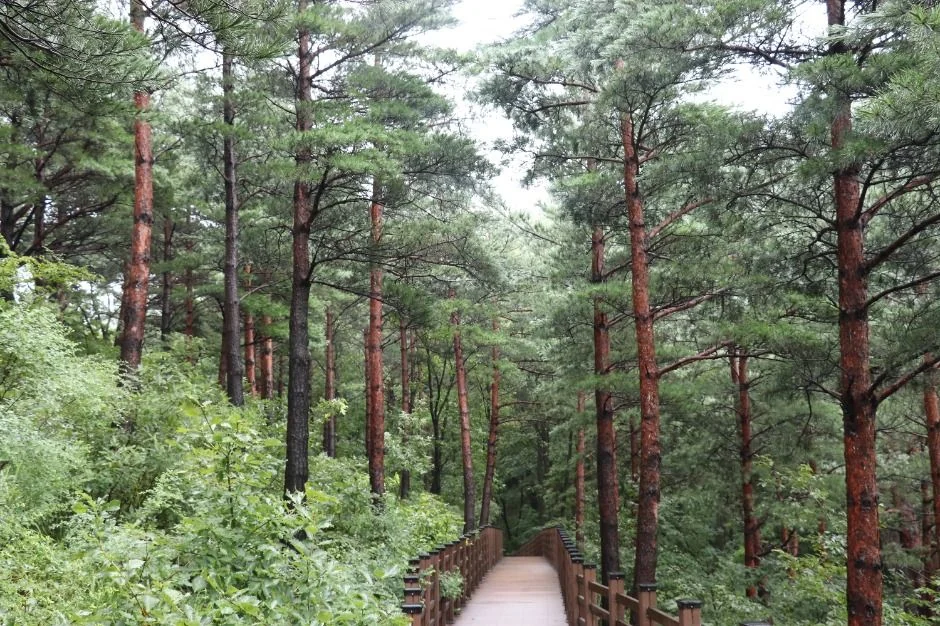
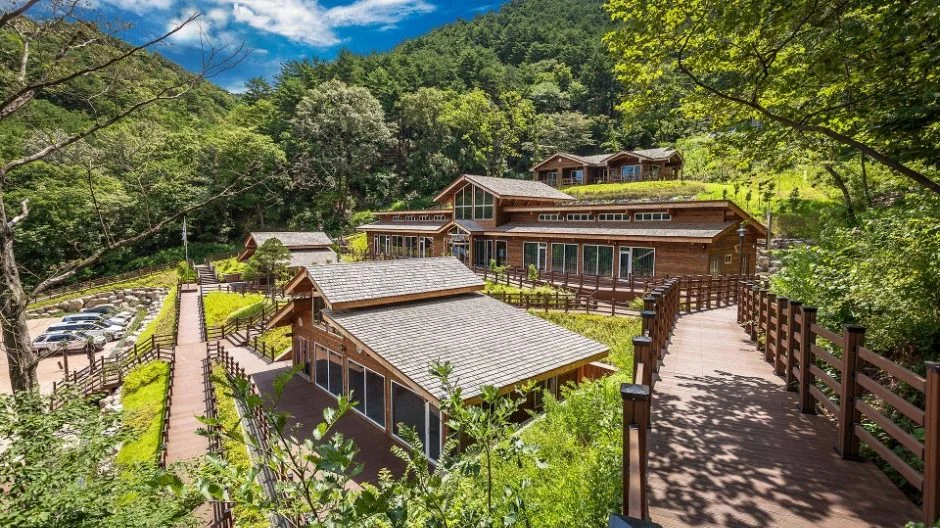
The National Daegwallyeong Healing Forest in Seongsan-myeon, Gangneung-si, Gangwon-do, is known for its distinctive Korean red pine forest. Amenities include a healing center, ‘Solhyanggi-teo’ (Pine Fragrance Space), healing platforms, the Geumgang-song observation deck, and deck trails. Unlike mountain climbing, which focuses on conquering a summit, this facility allows you to focus your trip on observing and walking through the forest landscape.
Official program descriptions include forest walking and tea-related activities. However, the program names on the website do not necessarily mean they are available for booking on every visit date. It is safest to confirm current operational status and application methods for specific activities before finalizing your plans.
 |
 |
Inland and Sobaeksan: From Forest Trails to Experiences
Jecheon — Combining the Forest of Cheongpung with Herbal Gardens
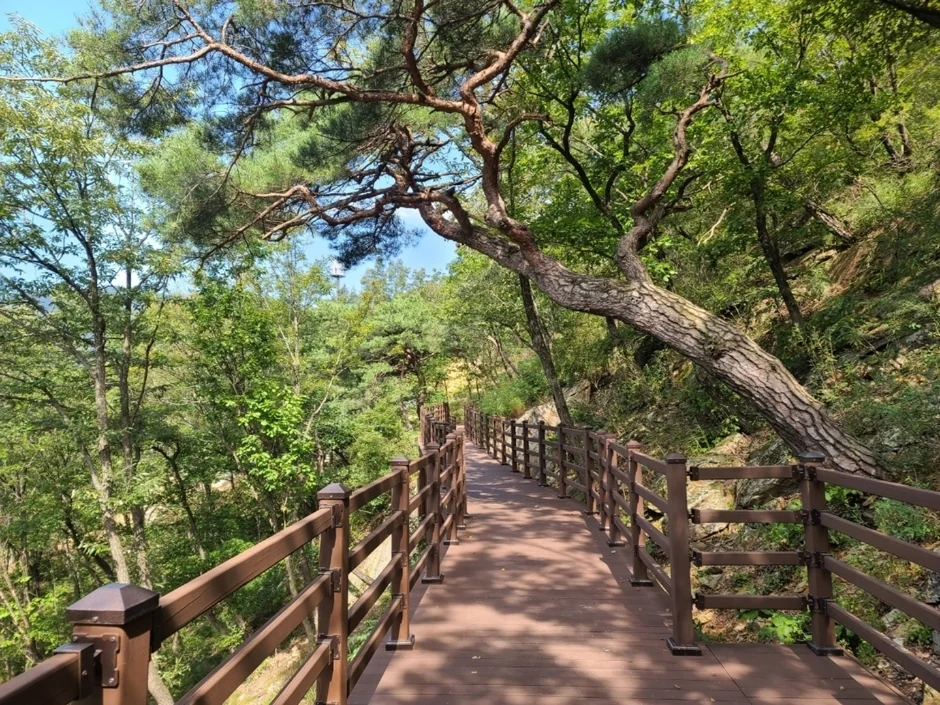
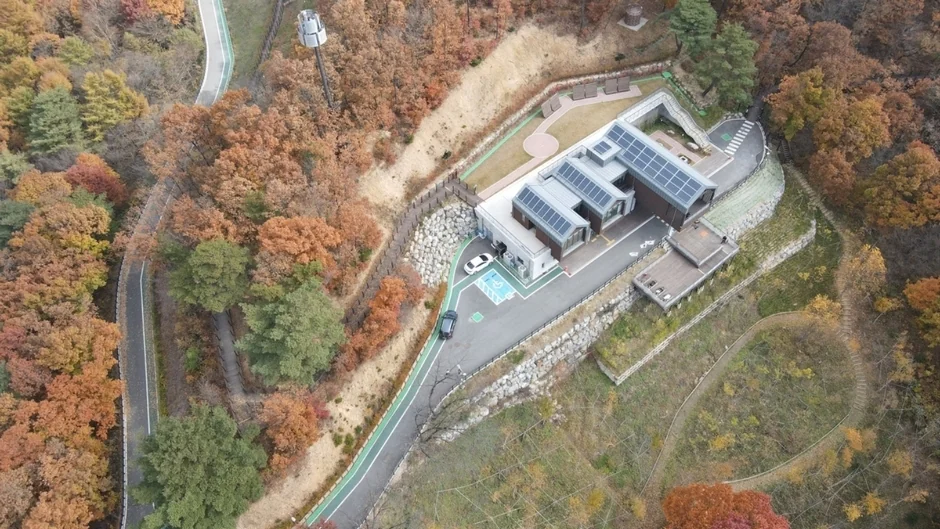
The National Jecheon Healing Forest in Cheongpung-myeon, Chungbuk Jecheon-si, stands out for its composition beyond simple walking trails. Official information describes a landscape of oak and pine forests featuring a healing center, herbal gardens, and various Healing Forest Trail. It is an interesting place to see how the local legacy of herbal medicine connects with forest wellness spaces.
Keep in mind that the existence of an herbal garden does not guarantee that herbal programs are available every day. If you are interested in herbal activities or guided commentary, be sure to check for available sessions in advance. This is an excellent choice for travelers who want to explore nature while understanding the region’s botanical culture.
 |
 |
Yeongju and Yecheon — Distinguishing Between Two Districts in One Facility
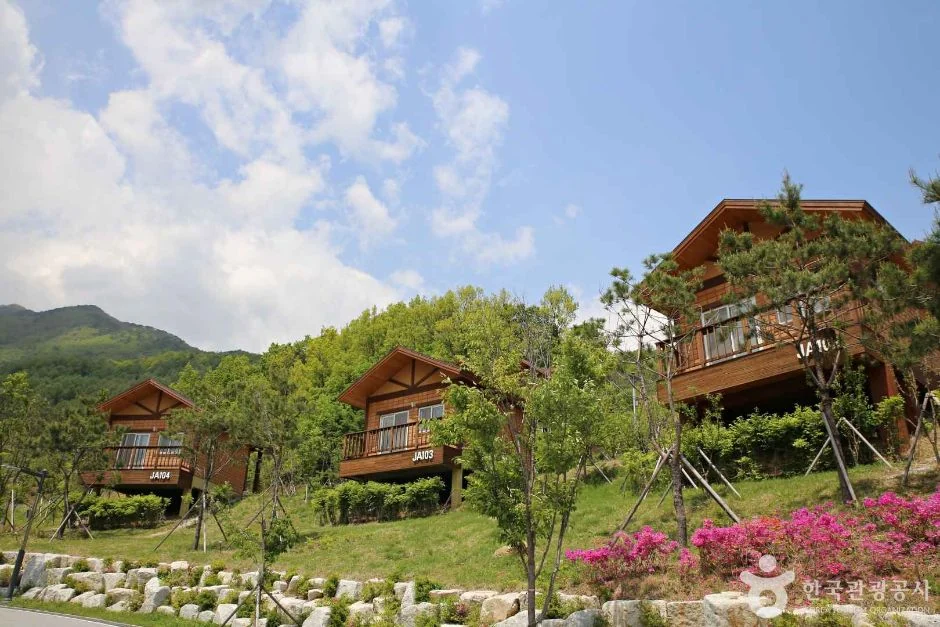
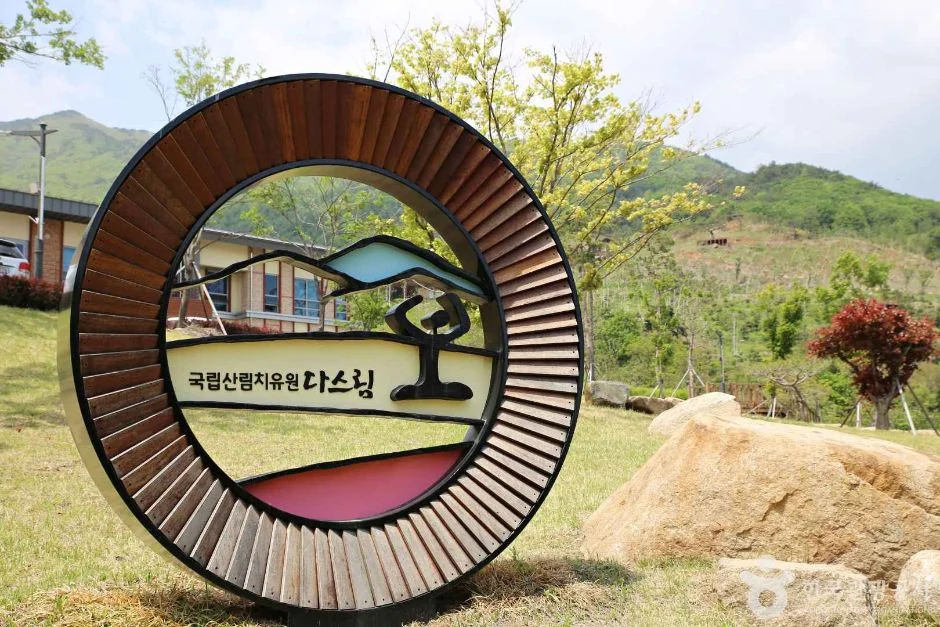
The National Center for Forest Therapy in Gyeongbuk differs from the other “healing forests” in this article. As a facility utilizing the natural resources of Sobaeksan Mountain, it is divided into two separate districts: the Juchi District in Yeongju and the Munpil District in Yecheon. The official address for the Juchi District is 209 Therapy-ro, Bonghyeon-myeon, Yeongju-si, while the Munpil District is located at 1154 Eunpung-ro, Hyoja-myeon, Yecheon-gun. Treating these two addresses as a single entrance could lead to confusion regarding the location of your booked program.
The “Forest-e-rang” portal provides separate menus for general bookings (lodging) and daily experiences. The availability of forest trail activities, meditation sessions, and indoor/outdoor programs varies by date and district. The first task for a traveler is not to select a famous program name, but to ensure that the date, location (Yeongju or Yecheon), and program type (daily or lodging) match correctly on the booking screen.
 |
 |
Two Faces of Jeonbuk: The Highland Forest and the Forest of Hamrasan Mountain
Jinan — A Highland Forest Therapy Center Surrounded by Mountains
The National Jinan Highland Forest Therapy Center in Baegun-myeon, Jeonbuk Jinan-gun, is located in the Baegundong Valley, surrounded by Deoktaesan and Seon-gaksan Mountains. The facility is situated in a highland environment at an elevation of approximately 650 meters. Rather than simply replicating the programs found in other regions, this facility highlights the unique local character of Jinan’s mountainous terrain and valleys.
Facility bookings and program selections can be made via Forest-e-rang. As actual availability depends on the date and number of participants, do not assume that all activities listed in the schedule are always available. Make the highland scenery your priority, but check the individual status for lodging and specific experience programs separately.
Iksan — Forest Trails and a Library in the Woods on Hamrasan Mountain
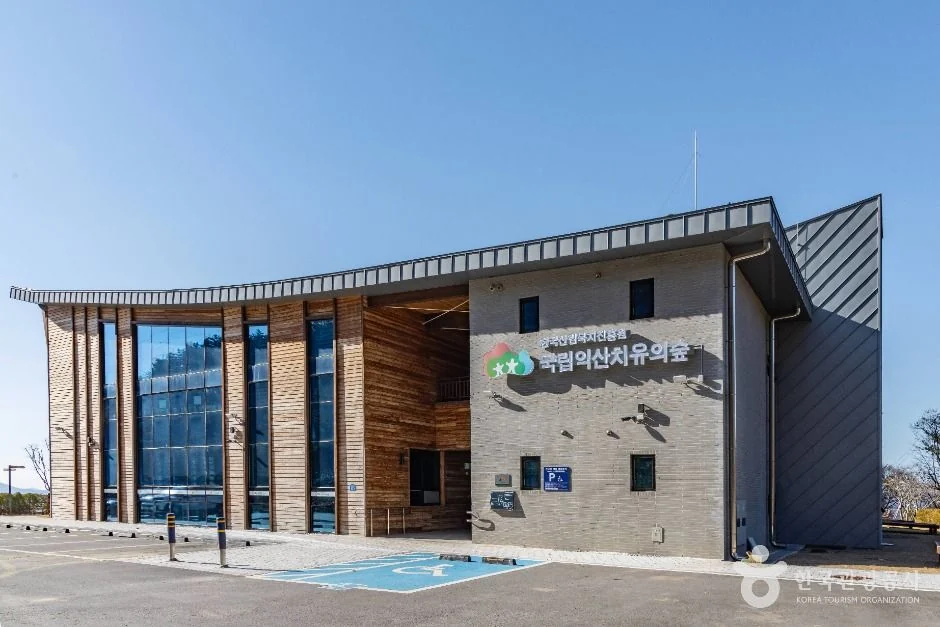
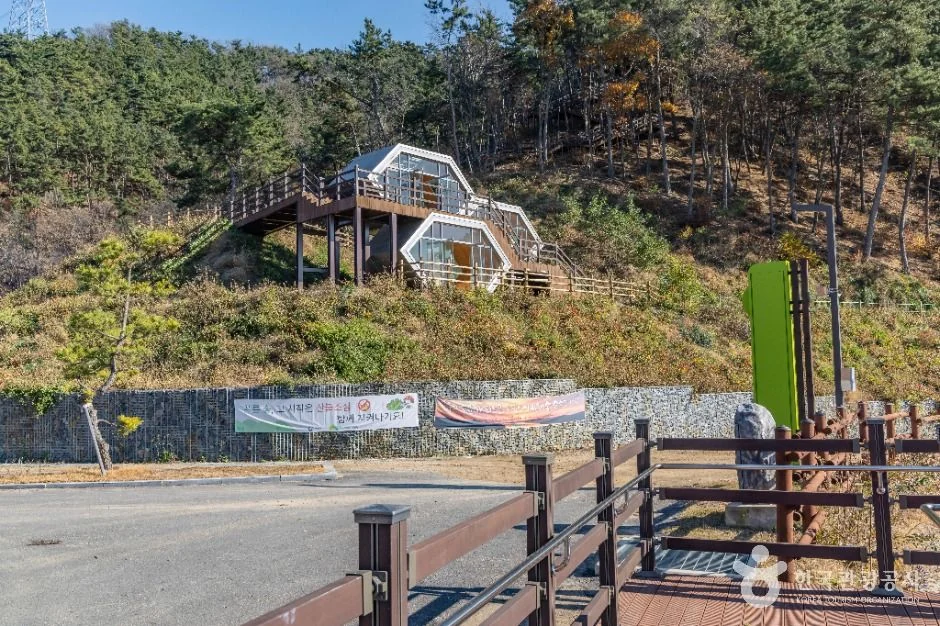
The National Iksan Healing Forest in Ungpo-myeon, Jeonbuk Iksan-si, is nestled on the slopes of Hamrasan Mountain. Official facility information lists a healing center, Healing Forest Trail, and a forest library. For some, the prospect of an environment where you can walk forest trails and spend quiet time reading may be more appealing than the term “healing” itself.
However, do not imagine that the forest library offers individual experiences or constant accessibility without prior research. You must verify the specific operational status of the healing center, trails, and programs for the day of your visit. It is a worthwhile destination if you are looking for a static, peaceful time in the forest rather than high-intensity exercise or long-distance trekking.
 |
 |
Heading South: Daeunsan Mountain and the Forests of Jeju
Ulju Daeunsan — Forest Healing Where Valleys Meet Deck Trails
The National Daeunsan Healing Forest in Onyang-eup, Ulju-gun, Ulsan Ulju-gun, highlights both valley and forest landscapes. It features cypress and sawtooth oak trees, along with facilities such as the Nanum Healing Center, barrier-free deck trails, and water therapy baths. If you are choosing a forest therapy facility in the east, you can compare the nature of the trails and the indoor/outdoor activity spaces here.
The presence of a facility called “water therapy bath” does not mean that every booking package includes water activities. You must follow the specific instructions for each program regarding activity intensity, facility availability, and required clothing. A “hike on Daeunsan Mountain” and a “scheduled program at the National Daeunsan Healing Forest” are two very different trip plans.
Seogwipo — Selecting Between Exploration and Reservation-based Forest Healing in Jeju
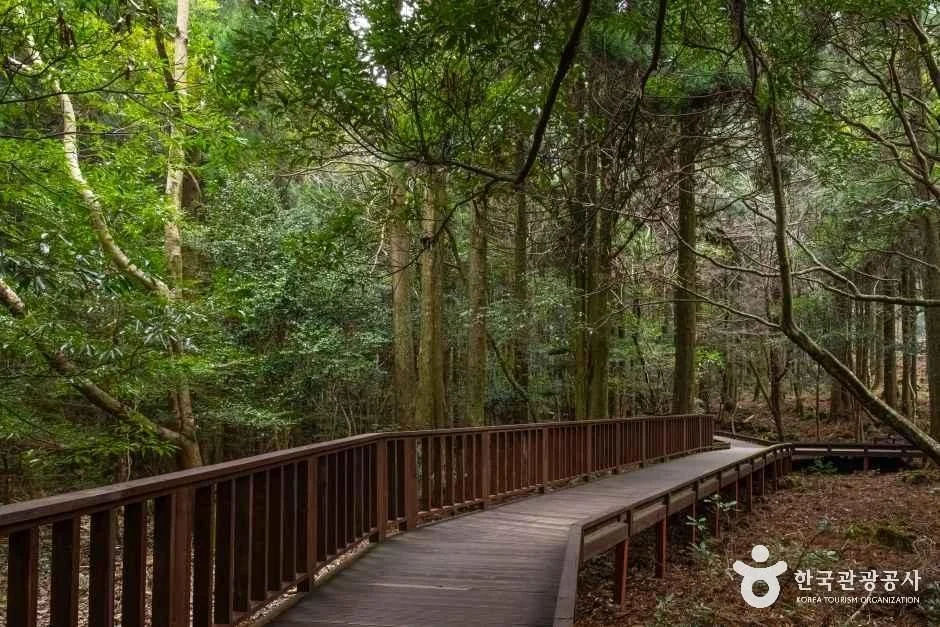
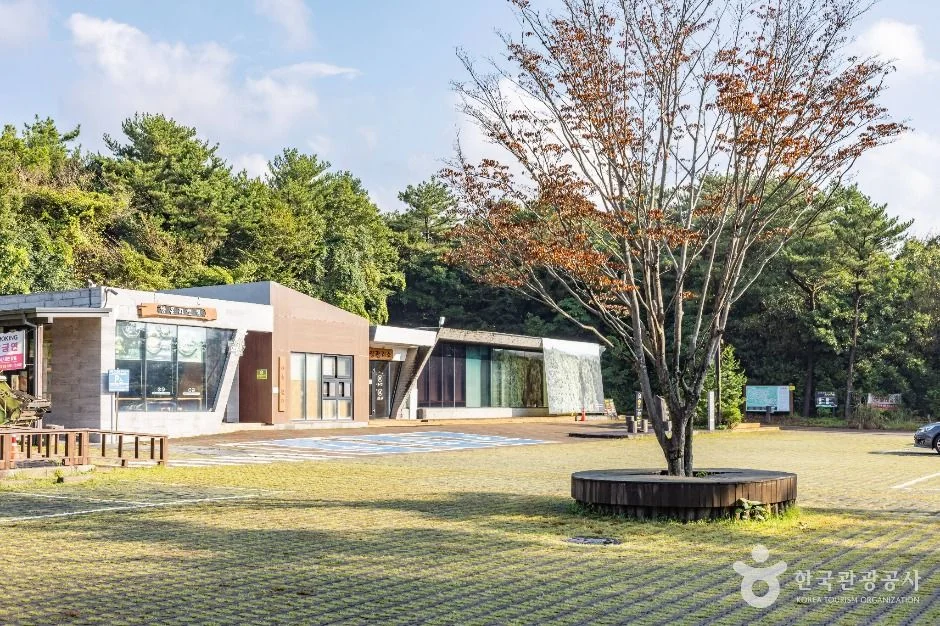
The Seogwipo Healing Forest in Jeju is managed by Seogwipo-si rather than being a national facility. Located on the southern slopes of Hallasan Mountain, it is recognized for its cypress forests and diverse high-altitude vegetation. It is important to note that the booking process distinguishes between independent trail exploration and participation in organized forest healing programs.
The Seogwipo-si integrated reservation system, “Seogwipo e-Ticket,” provides separate guidelines for general access and forest healing programs. Admission can change depending on reservations and local conditions, and one must also check for possible closures due to weather. When planning your Jeju trip, it is better to prioritize booking your exploration time rather than trying to fill a gap between beach visits.
 |
 |
Which Forest Suits Me Best?
If you are visiting a forest healing facility for the first time, compare these three factors. First, decide whether you want independent walking time or a program guided by an instructor. Second, determine if you are looking for a half-day trip or an overnight stay. Finally, consider the slope of the trails, transportation options, and the physical Ganeung capabilities of your group. These details matter more for overall satisfaction than the shared trait of being a lush forest.
Whether a facility is national or public is also a clue for which booking portal to use. Many national facilities use “Forest-e-rang,” while others, like the Seogwipo Healing Forest, use their own municipal reservation systems. There is no one-size-fits-all route for touring facilities nationwide. Choosing one nearby and using it properly is more rewarding than rushing to collect photos from multiple regions.
While a forest cannot be promised as a place that “cures” illness, it can become a destination that helps you reconsider your own pace and how you want to spend your time. Instead of looking for the facility with the most programs, try finding a forest that matches your day.
TRAVEL MEMO
| Facility Types | Forest Therapy Centers, Healing Forests, and Forest Recreation Centers have different operational purposes and services. Confirm the official name of the facility before visiting. |
|---|---|
| Reservations | Check dates, group sizes, programs, and districts on the official booking platforms like Forest-e-rang. For Seogwipo, check the Seogwipo e-Ticket system. |
| Day Trips vs. Lodging | Daily programs and lodging may be separate items. Official notices state that Yangpyeong and Daegwallyeong healing forests do not offer lodging or dining. |
| Yeongju and Yecheon | The Juchi District in Yeongju and the Munpil District in Yecheon have different addresses; verify your location. |
| Transportation | Mountainous regions may have limited public transport or require extra travel after drop-off. Confirm your origin, destination, and transit method. |
| Safety and Gear | Prepare non-slip shoes and weather-appropriate clothing. Check for weather-related closures and participation requirements for each facility. |
| Pricing and Operations | Costs and conditions can change based on the program and visit date; refer to the latest information on the reservation screen rather than fixed prices in articles. |
| Foreign Language Support | Verify multilingual booking, on-site guidance, and inquiry Ganeung options for each facility. Unverified support should not be assumed. |
Image source : Korea Tourism Organization
Route preview
3Related Stories
Yeongju’s ‘Seasonal Reading’ Residency Program Concludes with 100% Return Intent
A residency reading program in Yeongju, Gyeongsangbuk-do, has successfully wrapped up, highlighting a new model for local-stay tourism. The…
Global Wellness Conference 2026: Shaping the Future of Korea’s Wellness Industry
As the global wellness economy reaches a record-high of $6.8 trillion in 2024, the 'Global Wellness Conference 2026' successfully convened i…
Seoul International Garden Show Draws 670,000 Visitors, Positioning Seocho-gu as a ‘Garden City’
The 2026 Maeheon Citizen's Forest Seoul International Garden Show, held throughout October by Seocho-gu, Seoul, has concluded successfully,…