
Holafly Releases ‘2026-2027 Global eSIM and Travel Report’: Rising Overseas Demand and Deeper Tech Integration
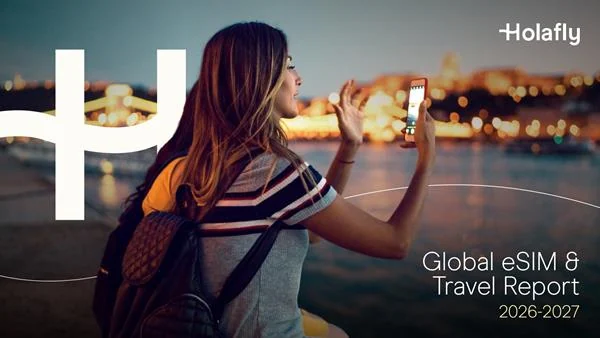
Holafly has published the second edition of its '2026-2027 Global eSIM and Travel Report,' based on a survey of 5,220 international travelers across 13 countries. The report highlights the sustained strength of overseas travel demand and the increasingly vital role of technology—specifically eSIMs and artificial intelligence—in shaping the modern travel experience.
Shifts in the Global Travel Market and Report Overview
Dublin-based Holafly released the second edition of its ‘2026-2027 Global eSIM and Travel Report’ to map the ongoing evolution of the travel industry. The survey gathered data from 5,220 international travelers across 13 countries to analyze their experiences, expectations, and the core drivers of current and future travel trends.
The report explores actual travel patterns in 2026 and planned destinations for 2027, while analyzing the impact of technological progress and sustainability on travel decisions. It also covers changes in business travel and how travel eSIMs are fundamentally altering mobile data usage abroad. Holafly stated that the research aims to provide a holistic view of the factors travelers find increasingly essential to their overall experience.
Rising Overseas Travel Demand and the Rise of Solo Travel
A standout finding is the continued strength of demand for international travel. Forty-nine percent of respondents reported traveling abroad more frequently than two years ago, and 75% indicated plans for at least two international trips in 2027—an 8 percentage point increase from last year’s 67%. While the average number of international trips rose to 2.6 in 2026 from 2.2 in 2025, the average trip duration slightly decreased from 8.2 days to 7.9 days.
The trend toward independent travel has also intensified, with the proportion of solo travelers rising from 20% to 24% over the past year. There is a clear hunger for new experiences as well: 77% of travelers in 2026 visited at least one new country, a 6 percentage point increase from 2025. The top four destinations—the United States, France, Canada, and Italy—remained unchanged from 2025, while Mexico entered the top 10, replacing Portugal.
The Essentialization of Travel Tech: The Rise of eSIM and AI
The way travelers connect to the internet abroad is changing rapidly. The percentage of respondents using eSIMs as their primary mobile data solution while abroad climbed from 17% in 2025 to 29% in 2026. Conversely, reliance on local Wi-Fi for data access dropped from 25% to 16%. eSIMs have become the preferred connectivity solution, particularly for travelers from Australia, New Zealand, Mexico, and Canada.
The use of artificial intelligence (AI) has also seen a marked increase. Forty-four percent of respondents now frequently use AI to plan their travels, a 13 percentage point rise from the previous year. This usage is especially high among young travelers (ages 18–24), 55% of whom frequently employ AI tools. Once considered a supplementary convenience, these technologies are becoming essential services that travelers now expect as standard.
Changing Travel Experiences and Awareness of Sustainability
Travelers are increasingly embracing ‘bleisure’—the combination of business and leisure. The survey indicates that 71% of travelers have engaged in bleisure travel, a significant increase from 51% the previous year.
Awareness of sustainability is also growing. Fifty-three percent of travelers reported making choices to reduce their environmental impact, and 67% expressed a willingness to pay more for sustainable travel options. However, there remains a gap between intention and action, as only 22.5% of respondents listed sustainability as their top priority when planning trips.
Alfonso Mata, Chief Strategy Officer at Holafly, noted, “What’s interesting about travel is how quickly traveler expectations are shifting. A few years ago, the ability to do everything from a smartphone was a convenience, but today, travelers expect these functions to work seamlessly wherever they are.” He added, “It’s not just about the technology itself, but what that technology allows people to do. This report helps us understand how these daily shifts are changing the way people experience the world.”
Related Stories
Air Busan Resumes Flights Between Busan and Nagasaki for Winter Travel Season
Starting January 5, 2027, Air Busan will resume its direct route between Busan (Gimhae) and Nagasaki, expanding access to Nagasaki Prefectur…
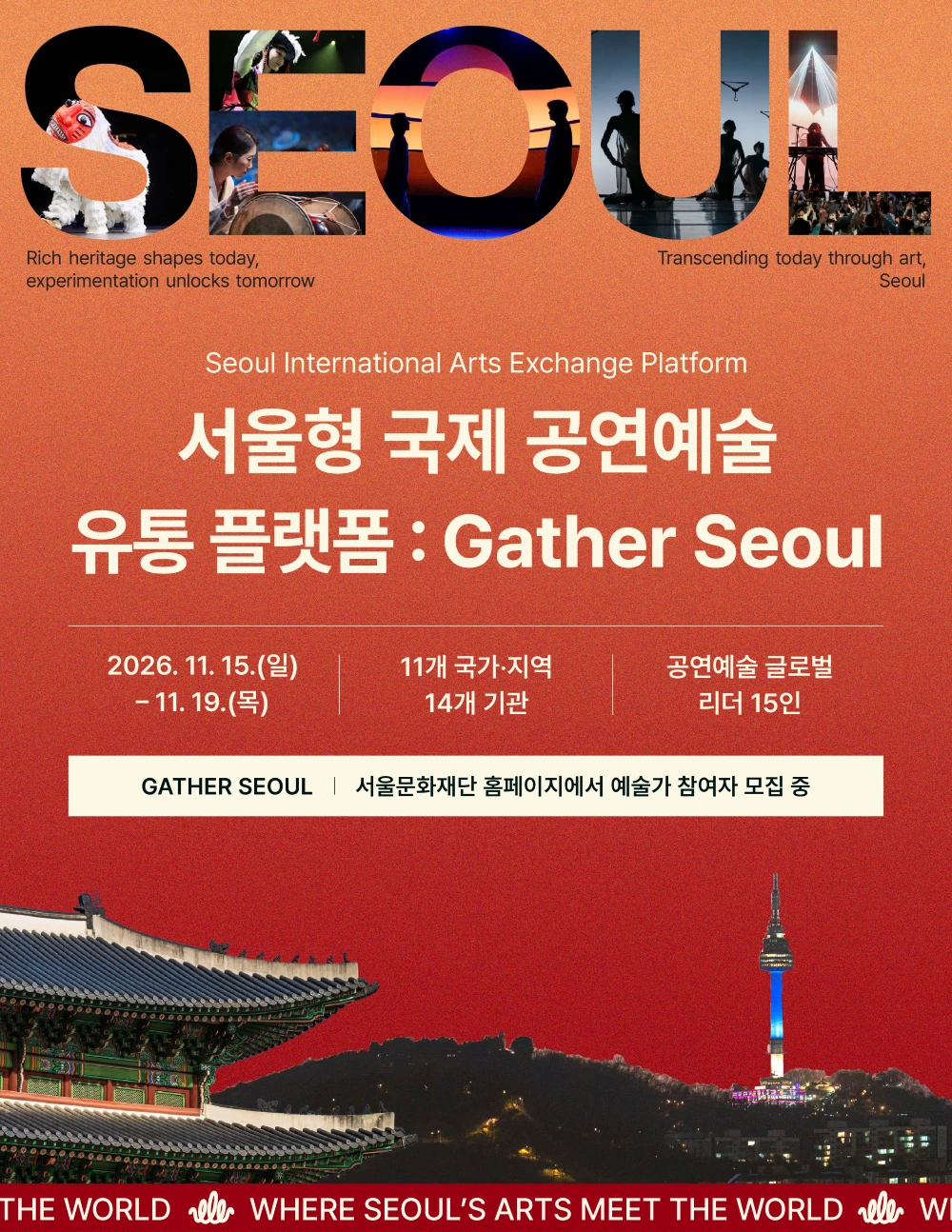
Seoul Foundation for Arts and Culture: New International Performing Arts Distribution Platform to Boost K-Arts Overseas
The Seoul Foundation for Arts and Culture is set to host the '2026 Seoul International Arts Exchange Platform' to help domestic performing a…

JCB, Shinhan Card, and Nishitetsu Group Launch Fukuoka Travel Promotion
JCB Card has announced a new promotional campaign for Fukuoka, set to launch on November 1, 2026, in partnership with South Korea’s Shinhan…