
Pilgyeongjae: A 500-Year-Old Historic Home Hosts Hanji Lantern Exhibition for UNESCO Bid
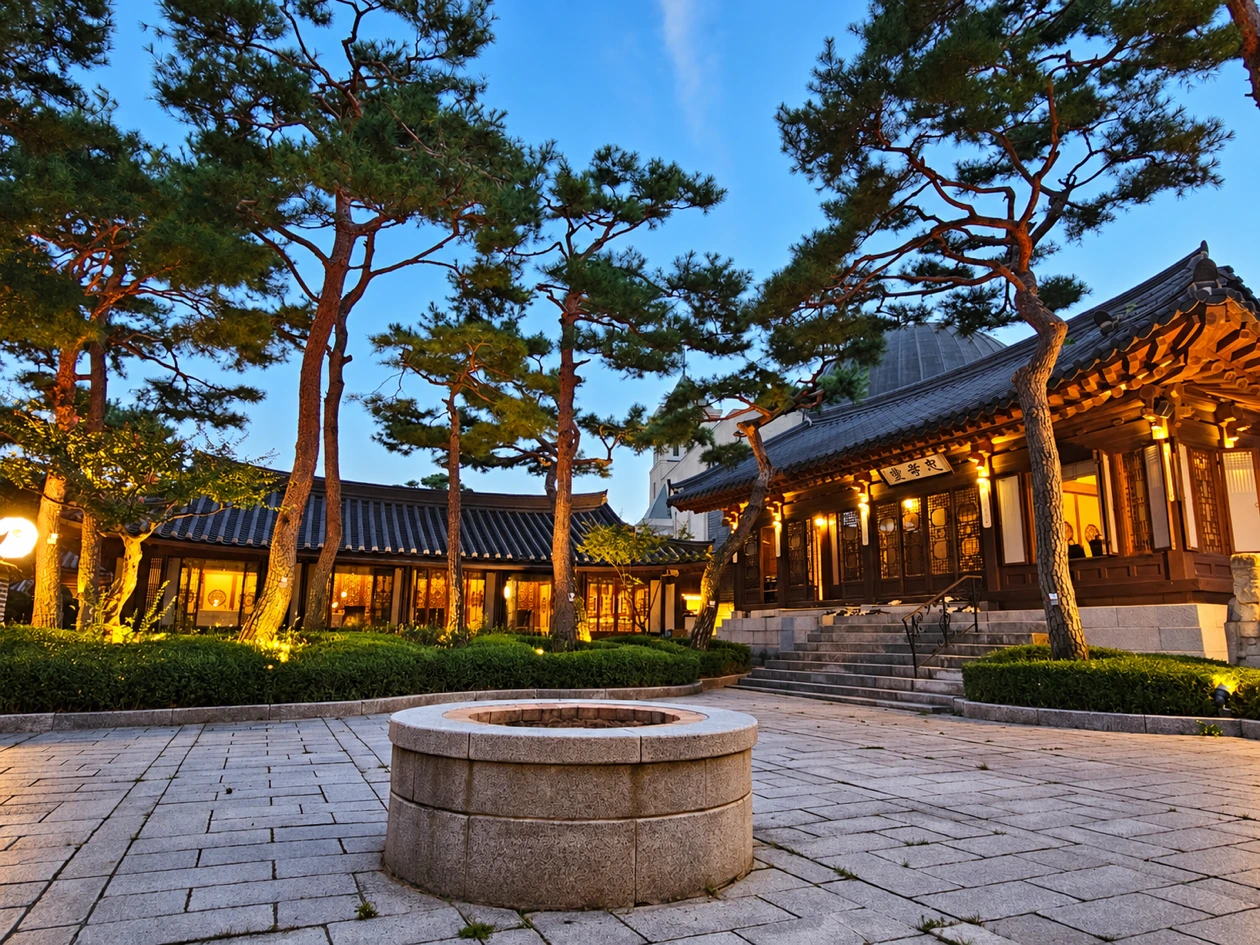
Pilgyeongjae, a 500-year-old historic house in Seoul’s Gangnam District, is hosting a special hanji (traditional Korean paper) lantern exhibition in support of the nomination of hanji-making for UNESCO’s Intangible Cultural Heritage list. As a signature program of the 2026 Seoul Wellness Travel Week, the event will cast an ethereal, soft light across the tranquil grounds of the traditional hanok residence.
Hanji Lanterns Bloom in a 500-Year-Old Home
From October 26 (Monday) to November 4 (Wednesday), the 500-year-old Pilgyeongjae residence in Suseo-dong, Gangnam District, will host a special hanji lantern exhibition. The event is designed to invite citizens and tourists to join in the movement to support the inscription of traditional Korean paper, hanji, on the UNESCO Intangible Cultural Heritage list.
The exhibition is a signature program of the 2026 Seoul Wellness Travel Week, planned by the Seoul Metropolitan Government and managed by Mind Design. Running from October 24 through November 4 under the theme “Seoul, Defining the Next Wellness,” the Travel Week showcases diverse wellness experiences across three pillars: “Rest,” “Taste,” and “Style.” The exhibition transforms the historic space by installing “spaces for meditation”—structures crafted from hanji by a hanok architect that adhere to the principles of traditional architecture.
Pilgyeongjae: A Legacy of the Joseon Royal Tradition
Pilgyeongjae was built in the 15th century during the reign of King Seongjong by Yi Cheon-su, a descendant of Grand Prince Gwangpyeong, the fifth son of King Sejong the Great. For over 500 years, the residence has been meticulously preserved by the descendants of the Grand Prince, serving as the head family house of the Jeonju Yi clan’s Gwangpyeong branch and remains the only such traditional ancestral home in the Gangnam area. Designated as Traditional Building No. 1 in 1987, the house continues to uphold the spirit of its founding principle: “Always respect your elders.”
Currently, Pilgyeongjae operates as a venue for royal court cuisine and hanjeongsik (Korean table d’hote), maintaining its legacy as a culinary destination since 1999. Behind the residence lies the Gwangpyeongdaegun Graveyard, where the tombs of the Grand Prince and approximately 700 of his descendants are gathered, offering a rare look at the funeral culture of the Joseon Dynasty.
Last year, to commemorate the 50th anniversary of Gangnam District and the 600th anniversary of Grand Prince Gwangpyeong’s birth, the residence held a special exhibition featuring over 100 family artifacts, including ancient documents, royal decrees, and portraits. This year, Pilgyeongjae was selected as a representative space in the “Taste” category for the “2026 100 Selected Wellness Tourism Spots in Seoul” and was named a signature venue for the Seoul Wellness Travel Week alongside Bongeunsa Temple and Boston Chamber.
The Value of ‘Hanji’ Ahead of UNESCO Recognition
This exhibition reflects the deep wish of Pilgyeongjae for hanji to be inscribed as a UNESCO Intangible Cultural Heritage. The Korea Heritage Service submitted a formal application for the “traditional knowledge, skills, and cultural practices of hanji making” in March 2024. The final decision is set to be made at the 21st session of the Intergovernmental Committee for the Safeguarding of the Intangible Cultural Heritage, which will be held in Xiamen, China, from November 30 to December 5.
Hanji was traditionally called “Baekji” (meaning “hundred papers”) because it is said that after the mulberry bark is steamed, beaten, and dried, the paper passes through the hands of a person one hundred times before completion. Lee Byung-mo, CEO of Pilgyeongjae, emphasized the significance of the event, stating, “We have placed our hope for the UNESCO recognition of our thousand-year-old hanji—a paper known for its durability—into lanterns, glowing within a home that our ancestors have protected for 500 years.”
Spaces for Meditation Crafted by a Hanok Architect
The exhibition features works by hanok architect Kim Won-cheon, CEO of Chamuri Architecture. Since beginning the restoration of Changdeokgung Palace Complex Gyujanggak Royal Library in 2001, Kim has participated in major national heritage restoration projects, including Geunjeongjeon Hall of Gyeongbokgung Palace and the Taewonjeon Hall. He is an expert who has led hanok design and construction projects across Seoul and Mungyeong, and he continues his work using traditional materials such as wood, stone, earth, and hanji.
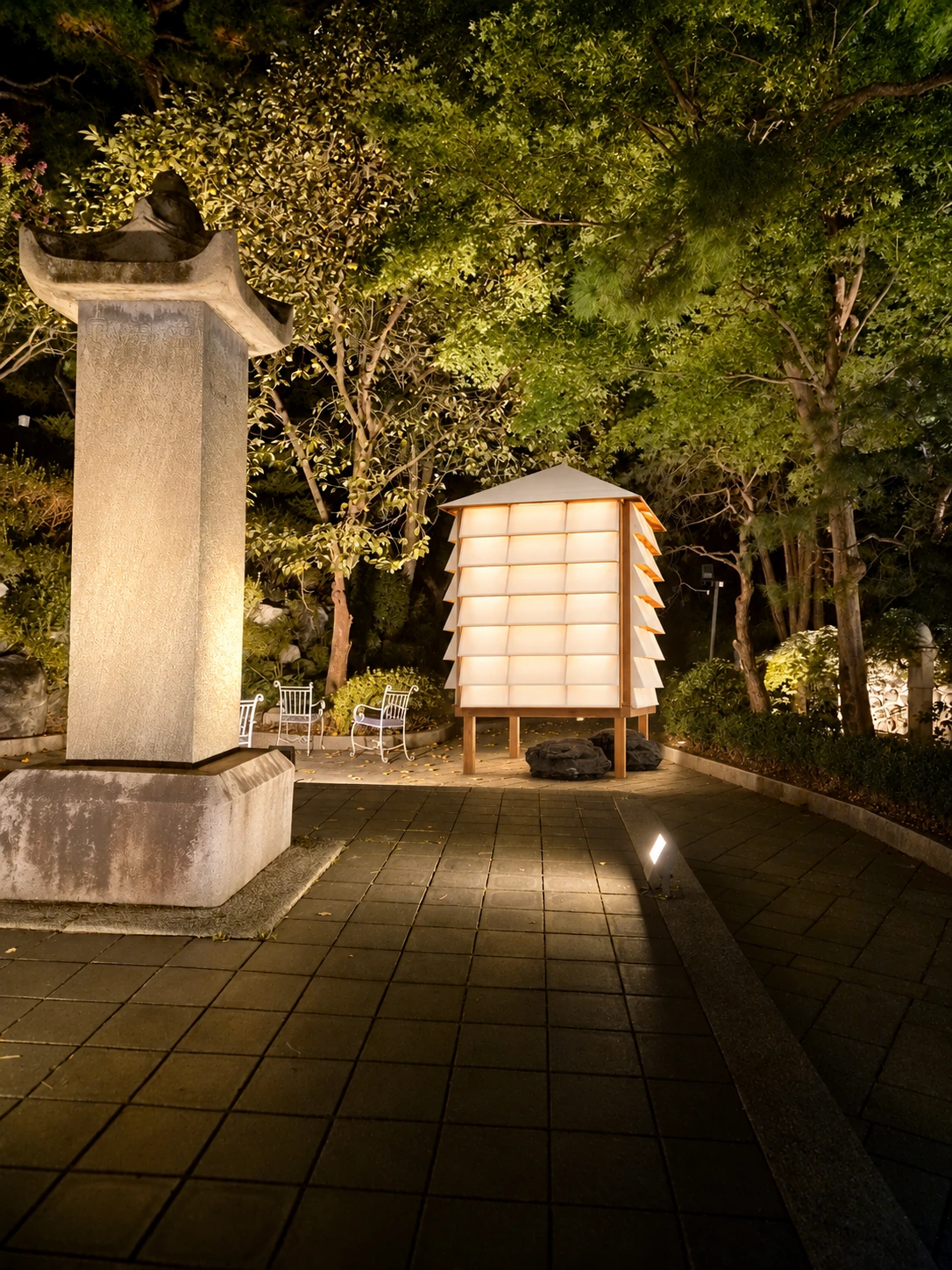
Kim’s hanji works are “spaces for meditation” built according to the principles of hanok. Like a traditional house where wooden frames and paper-covered windows filter light and wind, his work captures the beauty of Korean spatial design—emptiness, margins, and soft, diffused light. His goal is to create places where people can pause their busy lives and reflect. His piece “House of Paper 2 – Where Light Resides,” showcased at the “Hanji Mania” exhibition in Paris this past September, also garnered attention for its focus on light and space.
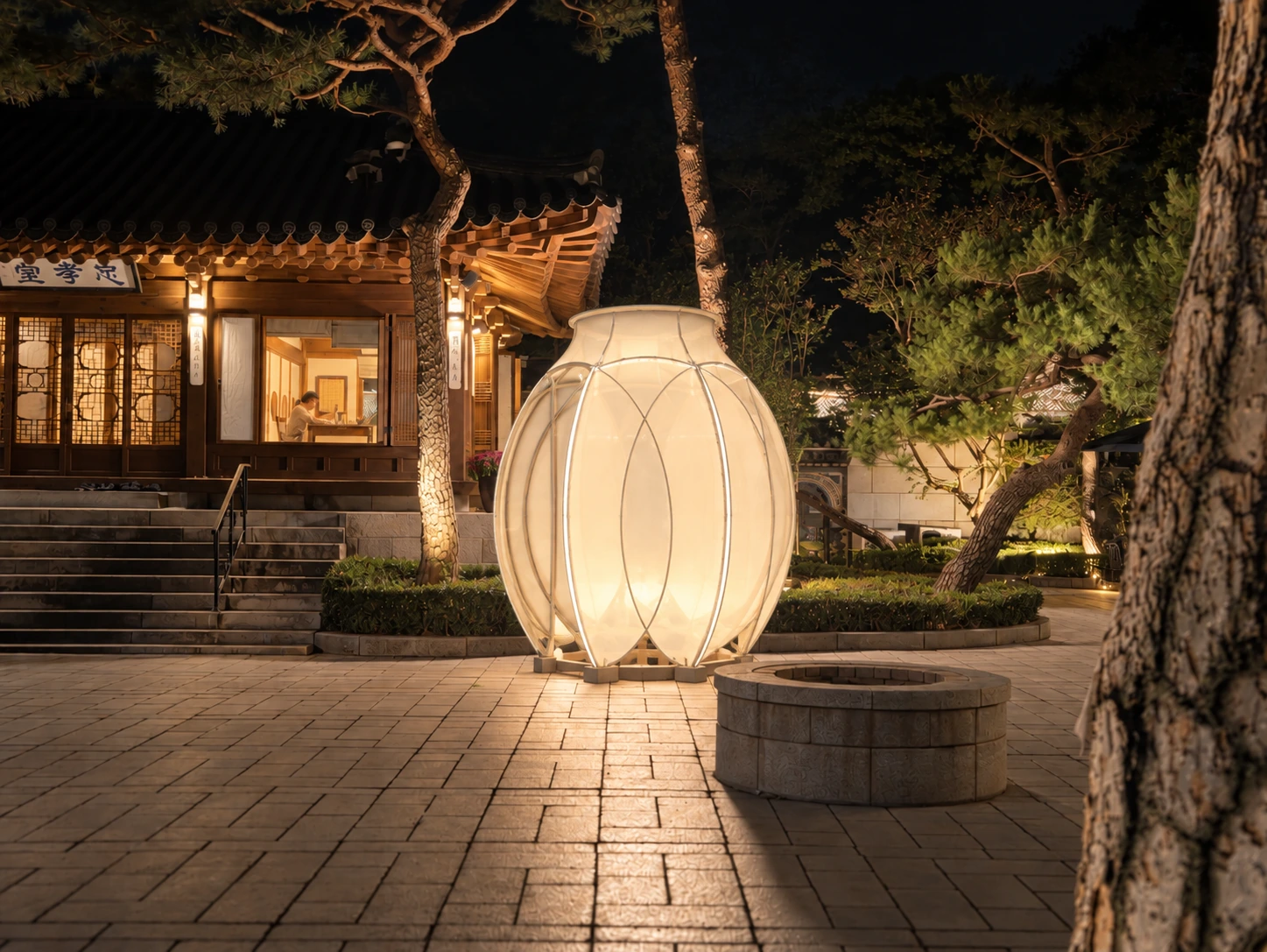
The Pilgyeongjae exhibition debuts new works, including a hanok-shaped “house” and a three-meter-tall jar-shaped installation placed in the courtyard, completing a space defined by hanji and Korean aesthetics within the historic house. After sunset, the works are illuminated, with soft light glowing through the paper to light up the historic night.
“In a hanok, hanji is the material that filters light and wind into the home,” Kim explained. “As someone who has built hanok my entire life, I wanted to create a small structure made of hanji within this 500-year-old house, offering a place for anyone to stay for a while and meditate.”
The exhibition is directed by Ahn Kang-eun, CEO of Inne Art Management. She has served as a local director for the “2026 Seoul Wellness Travel Week” and a selection committee member for the art category of the “100 Selected Wellness Tourism Spots in Seoul.” She also directed the “Hanji Mania” special exhibition in Paris last September to mark the 140th anniversary of diplomatic relations between Korea and France.
This exhibition is part of the “2026 Seoul Beauty Wellness Tourism Promotion Project.” Under the slogan “SEOUL, DEFINES THE NEXT WELLNESS,” the city is weaving its unique culture—including urban mountains, Buddhist temples, traditional food, tea, and beauty—into a cohesive wellness tourism experience.
This year, Seoul pilot-selected its “100 Selected Wellness Tourism Spots” across the themes of “Rest,” “Taste,” and “Style,” and chose Gangnam District as the representative hub for the fifth annual Seoul Wellness Travel Week. In addition to Pilgyeongjae, the event involves key Gangnam landmarks like Bongeunsa and Boston Chamber, alongside other selected wellness facilities.
Efforts to promote Seoul’s wellness offerings globally are also active. The city participated in the “Synergy 2026” retreat exhibition in Croatia this past September. “Because hanok and hanji best represent the ‘rest’ that is uniquely Korean, I hope the lanterns glowing in this 500-year-old house will highlight the charm of Seoul wellness and serve as a venue to support the UNESCO bid for hanji,” said Director Ahn Kang-eun.
Place preview
1Related Stories
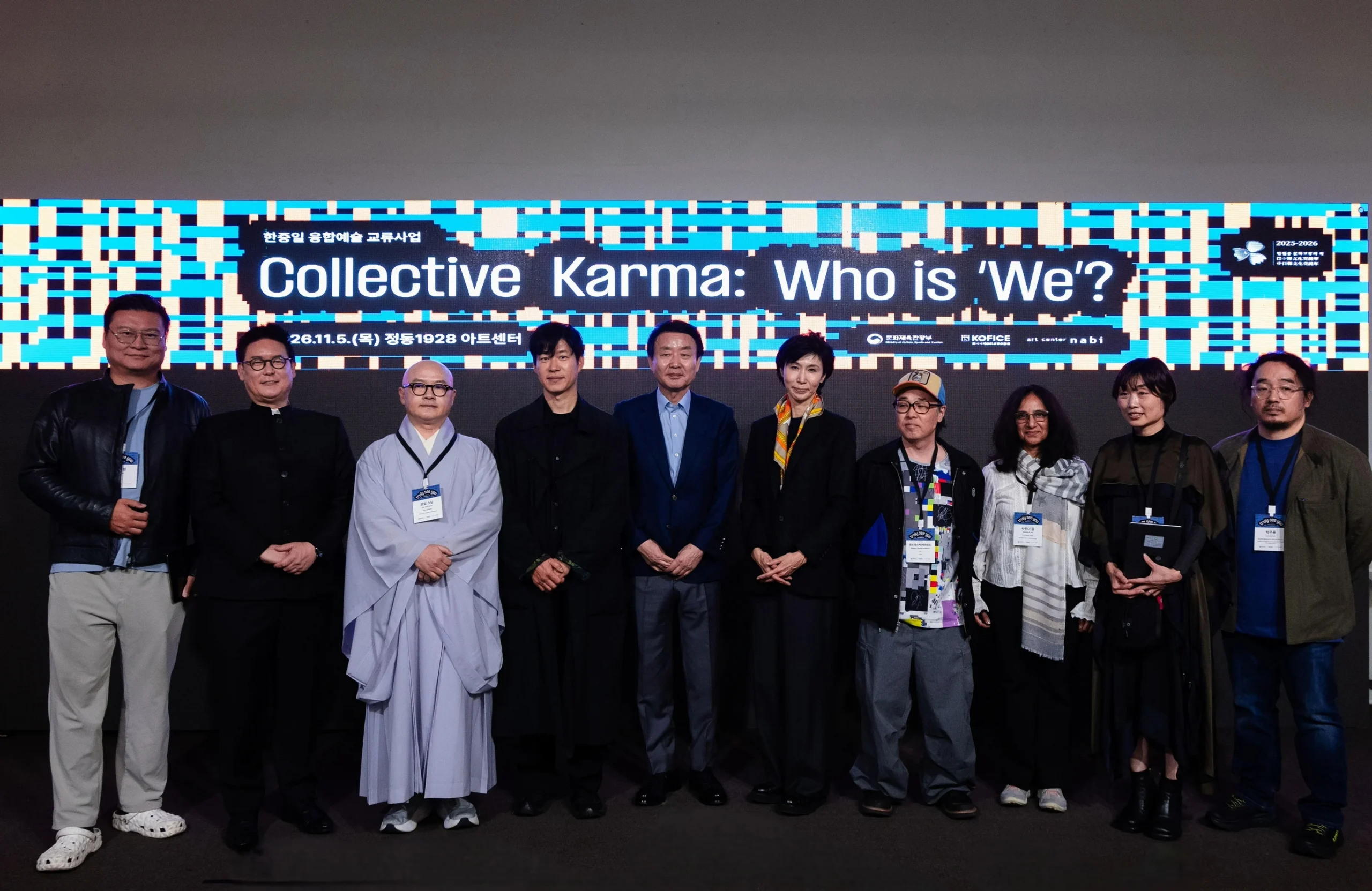
Korea-China-Japan Fusion Art Forum Explores the Meaning of ‘We’
The international fusion art forum 'truly see you,' hosted by the Ministry of Culture, Sports and Tourism and co-organized by the Korean Fou…
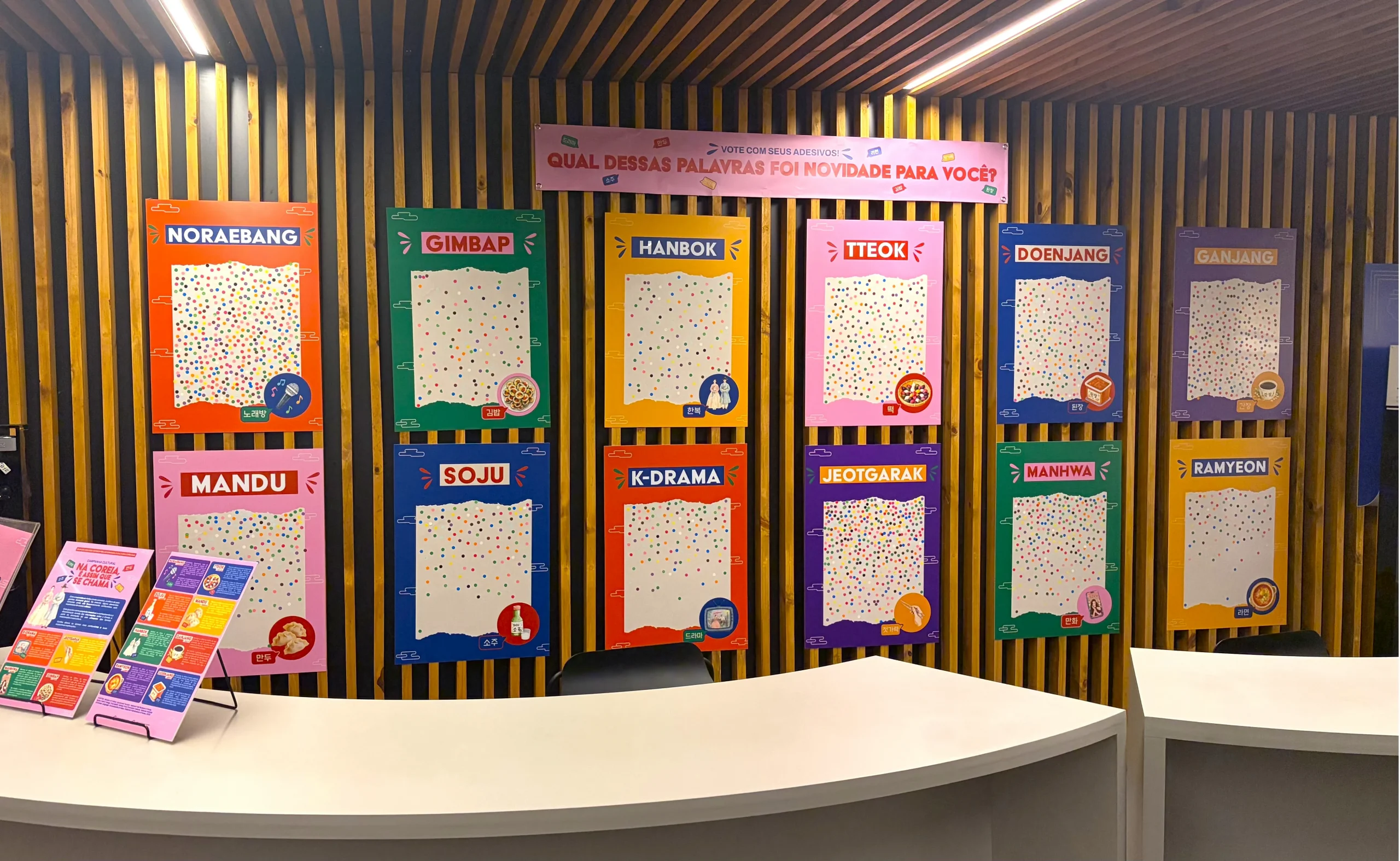
10,000 Brazil Fans Join ‘Correcting Korean Terms’ Campaign to Promote Authentic Language Use
A campaign titled 'Calling Korean Culture by Its Real Name,' co-hosted by the Korean Cultural Center in Brazil and the Korean Education Cent…
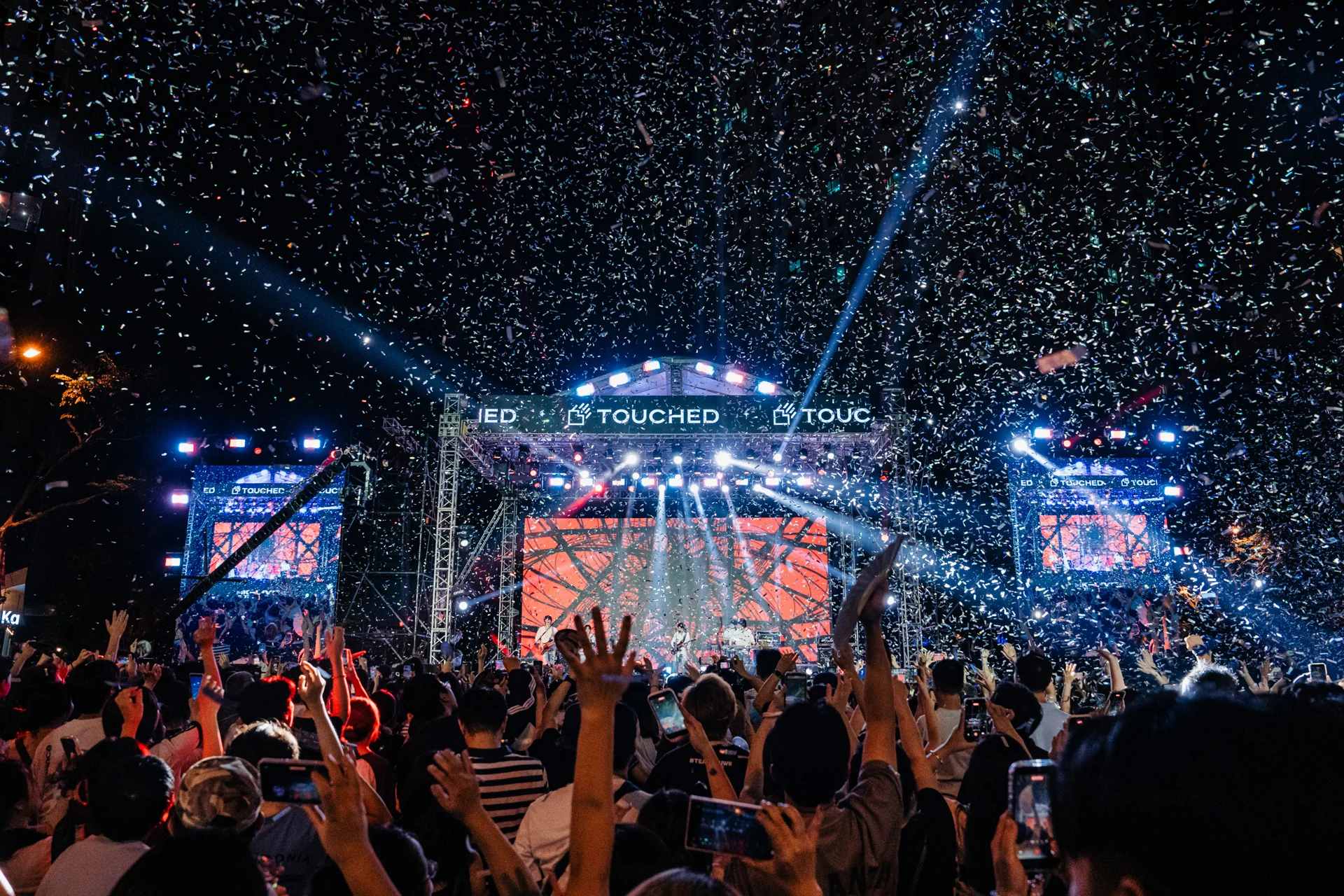
Korean Live Music Captivates Thailand and Vietnam: K-LIVE FESTIVAL Concludes Successfully
The K-LIVE FESTIVAL BAND:AGE, a highlight of the '2026 Korea Season' hosted by the Ministry of Culture, Sports and Tourism and organized by…