10,000 Brazil Fans Join ‘Correcting Korean Terms’ Campaign to Promote Authentic Language Use
A campaign titled 'Calling Korean Culture by Its Real Name,' co-hosted by the Korean Cultural Center in Brazil and the Korean Education Center in São Paulo, has successfully concluded. Inspired by Hangeul Day, the initiative encouraged the accurate use of Korean cultural terms in Brazil, drawing enthusiastic participation from approximately 10,000 local citizens.
Local Campaign in Brazil: ‘Calling Korean Culture by Its Real Name’ Concludes
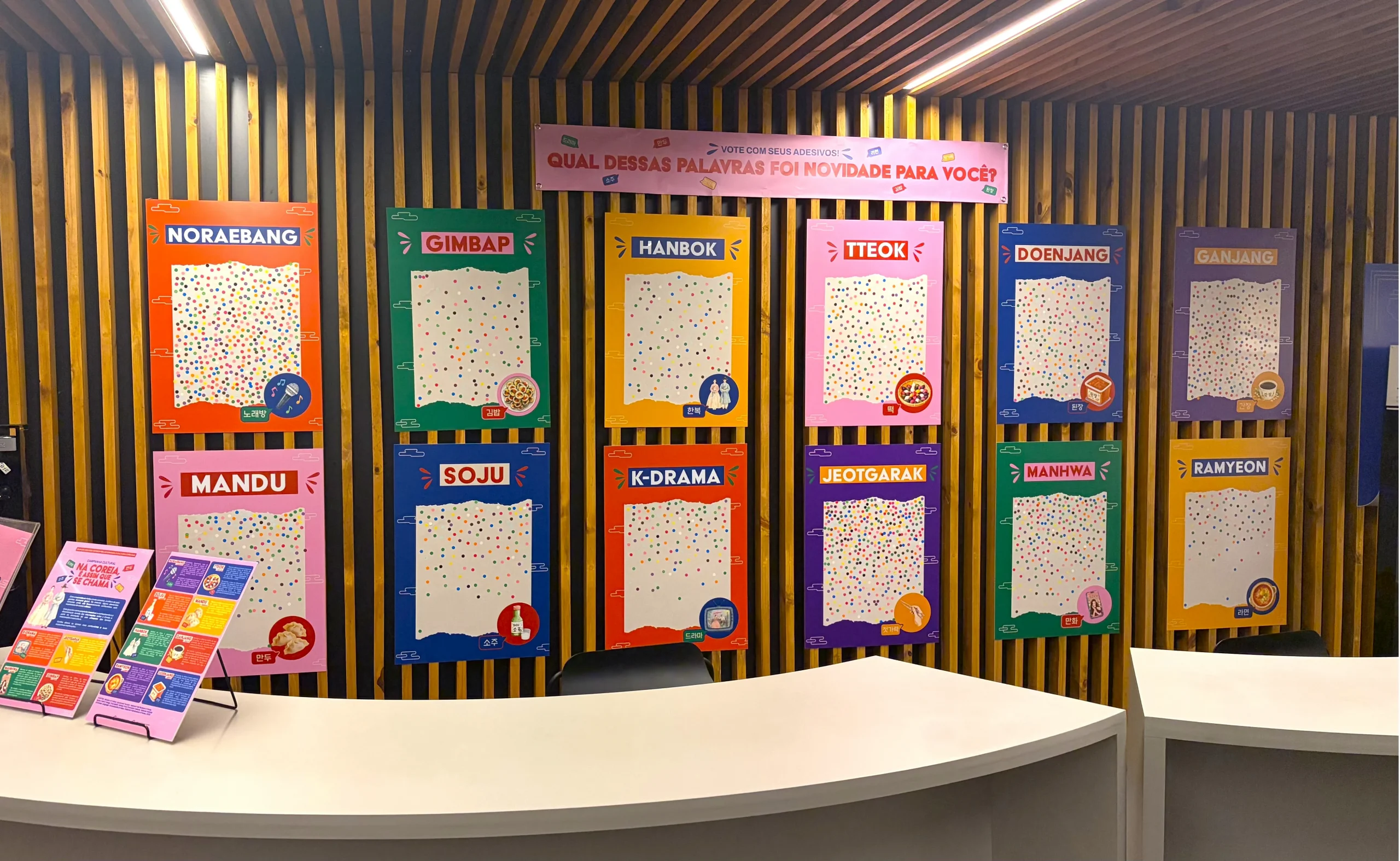
The ‘Calling Korean Culture by Its Real Name’ (Na Coreia, é assim que se chama) campaign, co-hosted by the Korean Cultural Center in Brazil (Director Jung Jeong-hee) and the Korean Education Center in São Paulo (Director Park Seong-geun), successfully concluded on October 31. Launched to coincide with Hangeul Day, the campaign sought to correct the use of unique Korean cultural terms often conflated with other foreign words in Brazil. The initiative saw enthusiastic participation from roughly 10,000 local citizens.
Onsite surveys revealed that ‘noraebang’ and ‘jeotgarak’ were the most unfamiliar of the 12 selected terms. Participant Laura remarked, “I am happy to now enjoy Korean culture with accurate terminology and will share this with my friends.”
Diverse Engagement Across Online and Offline Platforms
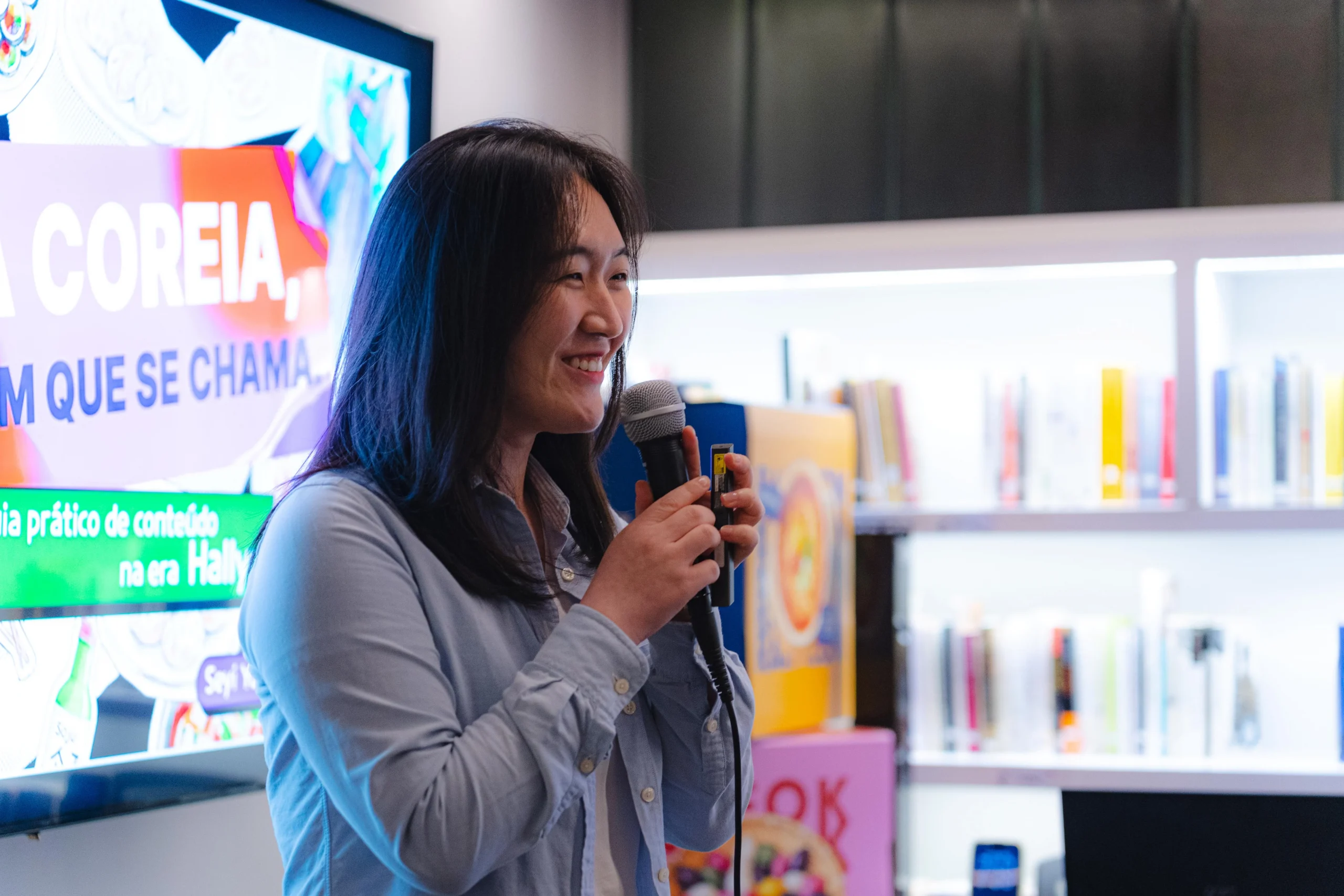
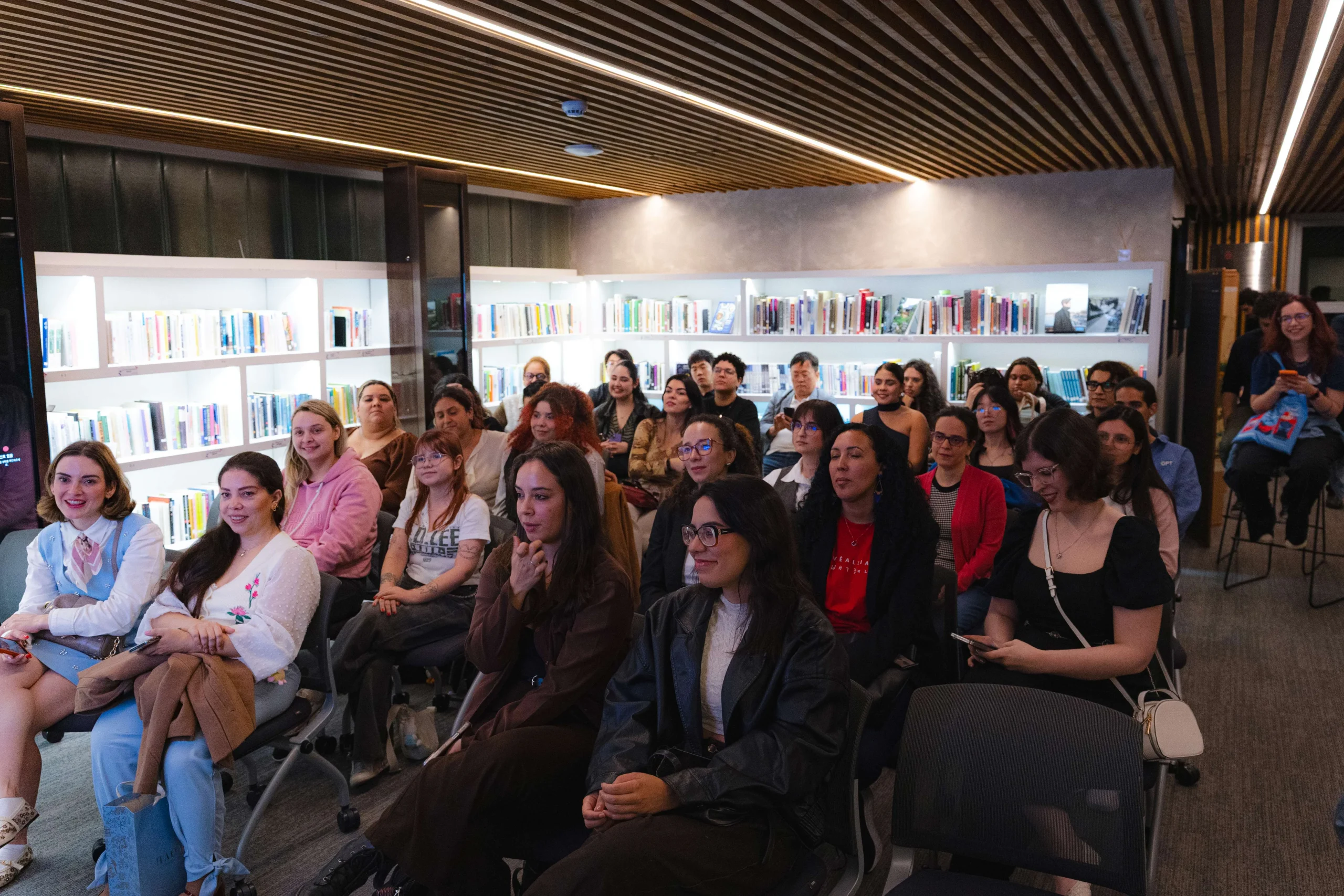
The campaign ran both online and offline throughout October. It began on October 7 with a session inviting 40 local content creators and cultural figures to learn the correct names for 12 terms, such as ‘K-drama,’ ‘webtoon,’ ‘hanbok,’ ‘gimbap (Gimbap)’, and ‘Mandu (Dumplings)’. Attendees amplified the content through social media posts and stories.
Simultaneously, the Instagram contest ‘My Name in Hangeul’ (Meu Nome em Hangul) was held until October 31. Participants submitted videos of their names written in Hangeul, and 30 top participants will be awarded BTS Korean language textbooks and Korean products.
Official Hangeul Day in São Paulo and Rising Interest in Korean Language
The campaign resulted from strengthened cooperation following the official designation of October 9 as ‘Hangeul Day’ (Dia do Hangul – alfabeto coreano) by the State of São Paulo in 2025. Local organizations, including the Korean Association of Brazil, the National Unification Advisory Council Brazil Chapter, and the Korean International Women’s Association Brazil Chapter, actively supported the campaign’s promotion.
The initiative is particularly significant given the growing interest in Korean language learning. In October 2026, the Brazilian Ministry of Education (MEC) introduced a Korean language curriculum on its free platform, ‘MEC Idiomas.’ It is the first language on the platform to use a non-Latin script, featuring 800 lessons across six levels (A1–C2) with specialized Hangeul learning tools including audio, romanization, and writing practice.
Expectations for Deeper Understanding and Spread of Korean Culture
Director Jung Jeong-hee of the Korean Cultural Center in Brazil stated, “This campaign highlighted that many people are unfamiliar with the actual Korean names for well-known cultural elements. As interest in the language grows, we hope this becomes a bridge to learning Korean properly and appreciating our culture by its true name.”
Interest in Korean culture remains strong, with a 2026 survey showing that 76% of Brazilians are interested in Korea. This influence spans K-pop, K-dramas, food, and fashion. Notably, Brazilian tourism to Korea reached a record high of 41,607 visitors in 2025.
Related Stories
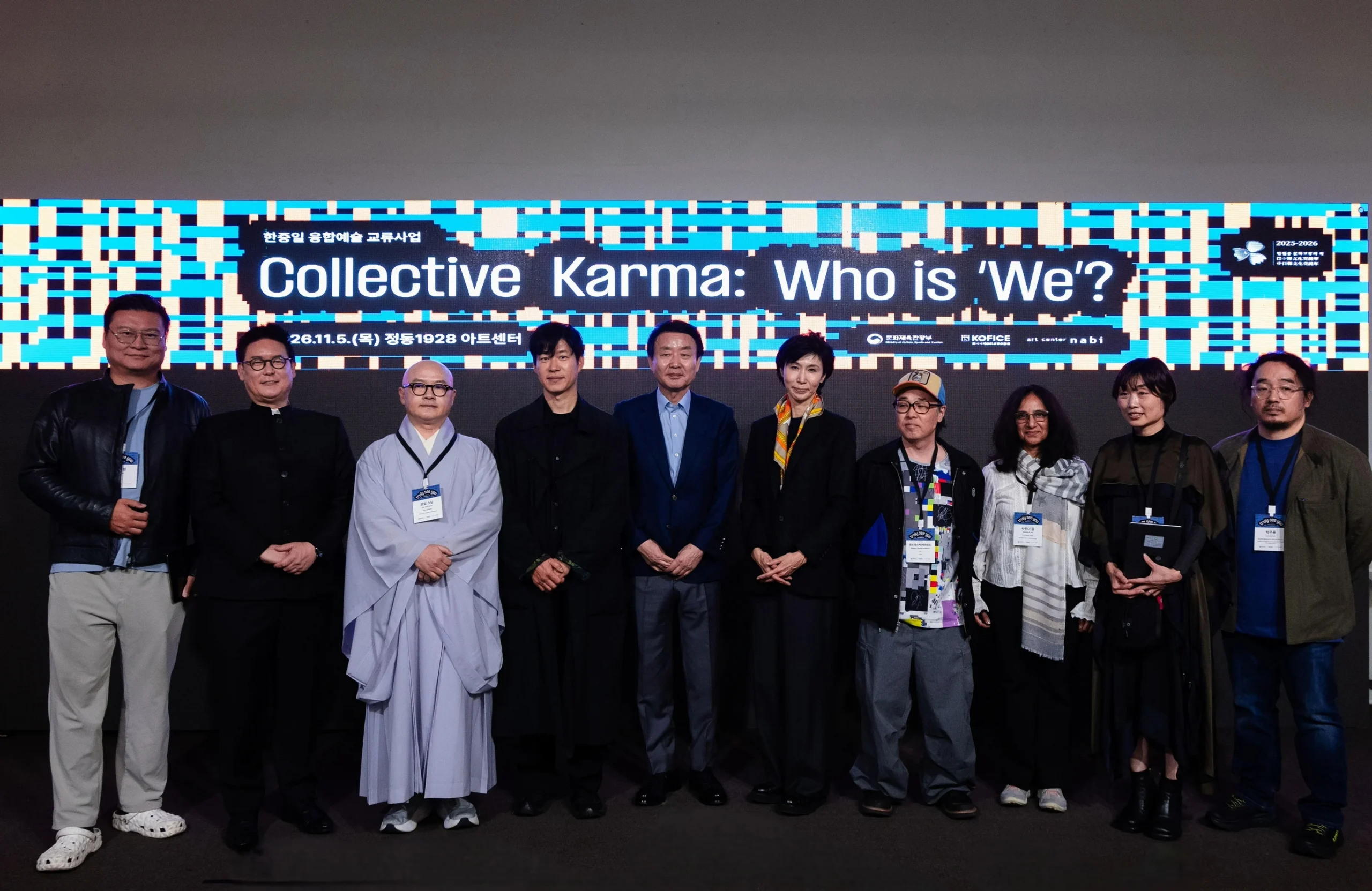
Korea-China-Japan Fusion Art Forum Explores the Meaning of ‘We’
The international fusion art forum 'truly see you,' hosted by the Ministry of Culture, Sports and Tourism and co-organized by the Korean Fou…
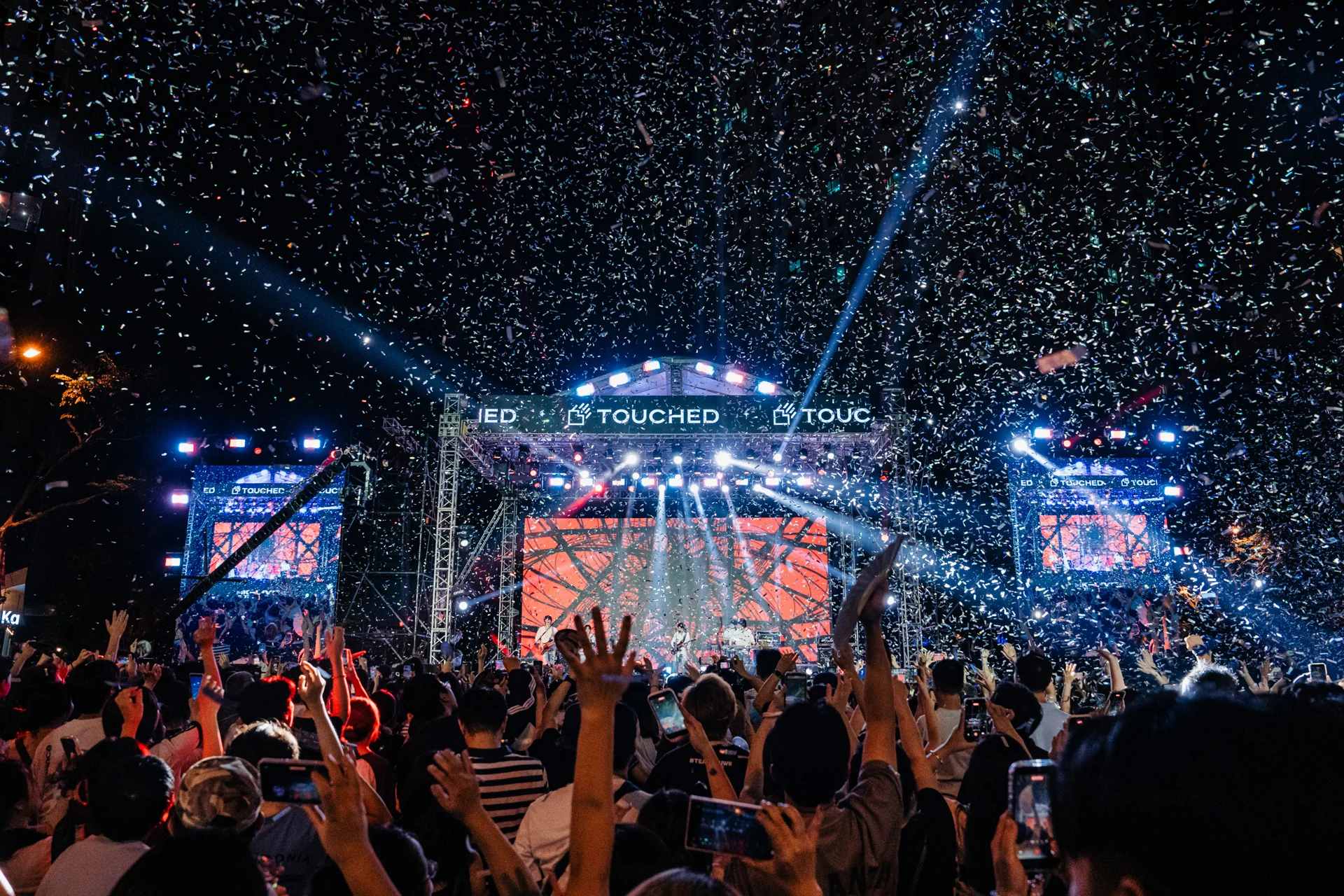
Korean Live Music Captivates Thailand and Vietnam: K-LIVE FESTIVAL Concludes Successfully
The K-LIVE FESTIVAL BAND:AGE, a highlight of the '2026 Korea Season' hosted by the Ministry of Culture, Sports and Tourism and organized by…
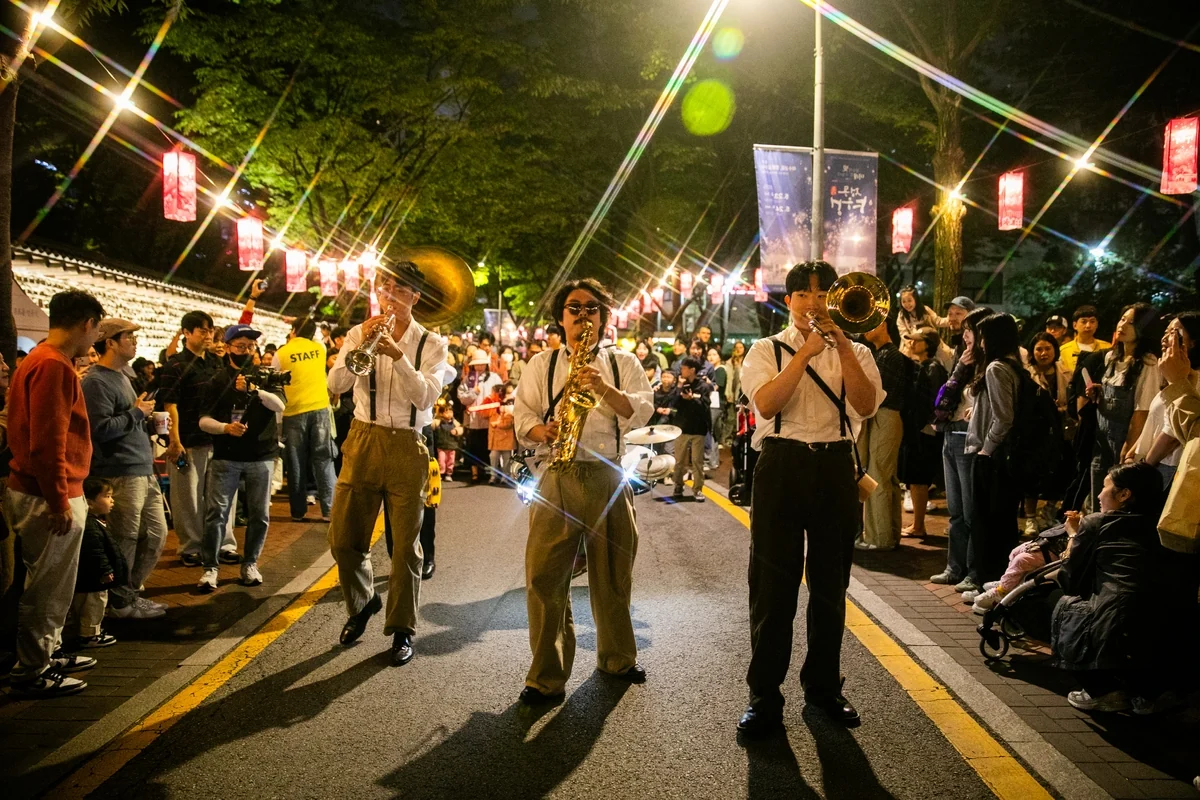
Seoul’s Jeong-dong District Gears Up for ‘2026 Jeong-dong Night’ as Historic Autumn Nights Glow
Seoul’s Jung-gu announced it has completed preparations for the '2026 Jeong-dong Night,' taking place on October 30 and 31 at Deoksugung Pal…