
Seoul’s Jeong-dong District to Launch Night Landscape Project
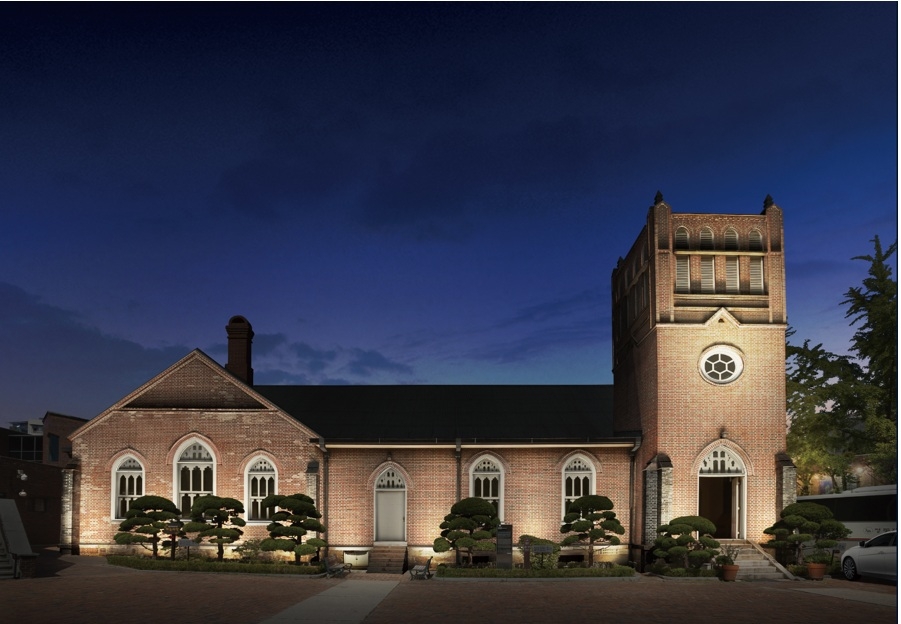
Seoul’s Jung-gu is set to revitalize the Jeong-dong district, an area dense with modern historical and cultural heritage, by enhancing its nighttime environment. The initiative aims to transform the currently quiet neighborhood into a vibrant destination that sparkles after dark.
Jeong-dong: A New Nighttime Landmark for Seoul
Seoul Jung-gu announced that it will implement a night landscape improvement project to make Jeong-dong an inviting space for evening visitors. Under the direction of Jung-gu, the city plans to install decorative lighting across 19 historic modern buildings in the area, establishing Jeong-dong as a premier nocturnal landmark.
On September 3, the project took its first step with the launch of the 'Jeong-dong Landscape Improvement Public-Private Consultative Body,' which includes local residents, merchants, and representatives from cultural and religious institutions. This committee will work to illuminate the district’s unique architecture and spaces to enhance its overall character.
Awakening the Night in a Museum District
Jeong-dong is often called a 'museum in itself' due to its high concentration of 23 historical and cultural sites, including Deoksugung Palace, various embassies, and modern historic buildings. While these sites attract many citizens and tourists by day, the area has historically gone quiet and dim at night.
Jung-gu plans to preserve the district’s serene atmosphere while using lighting to highlight the stories and unique architectural features of the buildings, ultimately creating a comfortable environment for evening strolls.
Lighting Up Historic Architecture
The target sites for the lighting project include the Jeongdong First Methodist Church, Deoksugung Palace Jungmyeongjeon Hall, the former Russian Legation, Appenzeller/Noble Memorial Museum, the Jeong-dong Theater, the Shin-A Ilbo annex, and the stone walls of Ewha Girls' High School and Yewon School.
The former Russian Legation, a Renaissance-style building completed in 1890, is a significant site where King Gojong once sought refuge. The Appenzeller/Noble Memorial Museum, founded in 1885 by missionary Henry Appenzeller, remains Korea's first Western-style modern educational institution and offers free admission. Additionally, the Jeong-dong Theater, built in 1995 to honor the spirit of the original Wongaksa Theater, continues to host a variety of artistic programs.
The Deoksugung Palace is open Tuesday through Sunday from 9 a.m. to 9 p.m., with last admission at 8 p.m. and an entry fee of 1,000 won.
Building a Nighttime Economic Ecosystem by 2028
The inaugural meeting for the consultative body was held on September 3 at the Jeongdong First Methodist Church, attended by around 40 local stakeholders, including Jung-gu District Mayor Kim Gil-seong, Seoul Jeong-dong Consultative Body Chair Hwang Seon-yeop, Jeong-dong Road Merchant Representative Yoon Eui-sik, Sogong-dong Resident Autonomy Committee Chair Kang Woo-jong, and Jung-gu Tongjang Association President Nam Sul-jin. The committee represents 26 institutions and local stakeholders acting as a hub for the project.
Jung-gu and the consultative body will gather field feedback, coordinate with relevant agencies like the Korea Heritage Service and the Seoul Metropolitan Government, and explore funding options. The project will be managed to balance historical value, local commerce, and resident life.
Jung-gu stated that by 2028, the district aims to establish a complete 'nighttime economic ecosystem' through landscape improvements, the development of walking tour courses, and the revitalization of local commerce, aligning with Seoul’s broader 'Seoul Moonlight Night Market' policy.
Places mentioned in this article
2Related Stories
Mapo 365 Observatory Announces Special Autumn Stargazing Program
Mapo-gu has organized a special series of events to help families and students explore the stars and the universe during the cool autumn eve…
South Korea’s Only Ceramic Arts Festival: ‘2026 Gyeonggi Ceramic Biennale’ Opens
Gyeonggi-do and the Korea Ceramic Foundation announced the launch of the 2026 Gyeonggi Ceramic Biennale (GCB), the only international bienna…
Gwacheon-si Chusa Museum Celebrates 240th Anniversary of Kim Jeong-hui’s Birth with ‘Chusa’s Ink Fragrance’ Special Exhibition
To mark the 240th anniversary of the birth of Chusa Kim Jeong-hui, a preeminent scholar and calligrapher of the late Joseon Dynasty, the Gwa…