
Gwacheon-si Chusa Museum Celebrates 240th Anniversary of Kim Jeong-hui’s Birth with ‘Chusa’s Ink Fragrance’ Special Exhibition
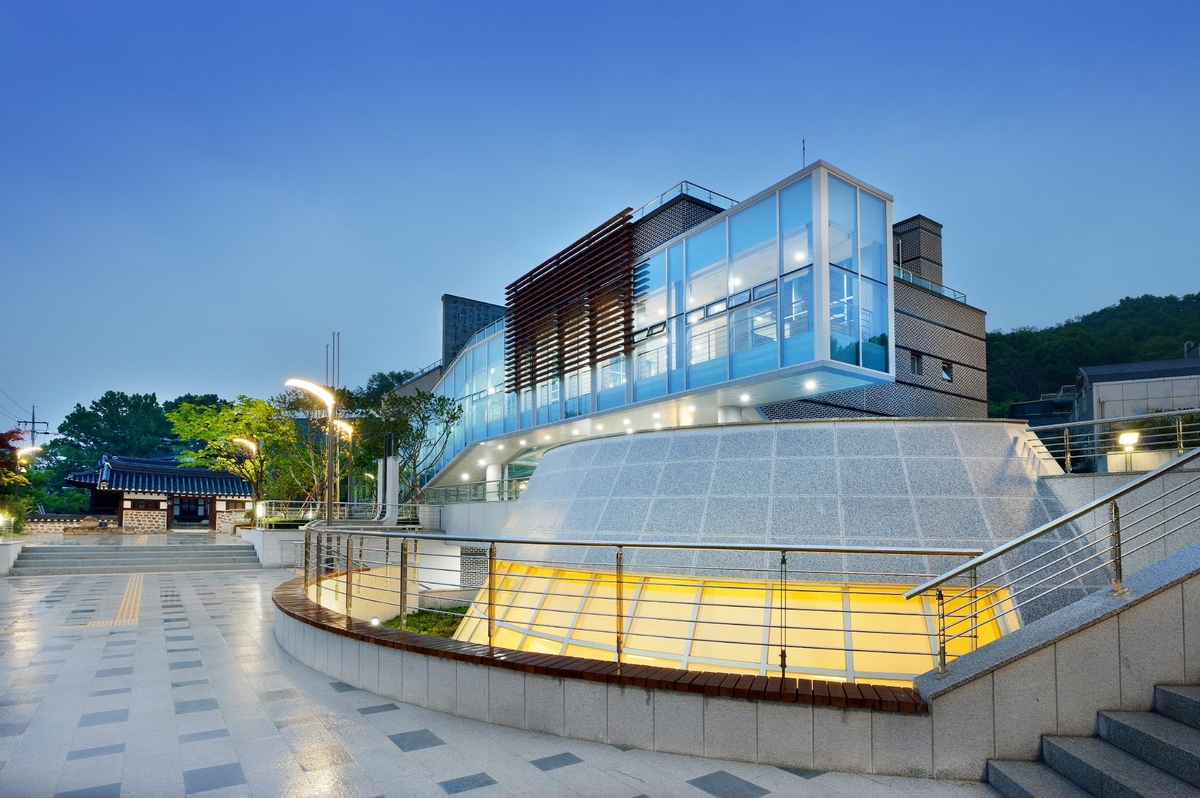
To mark the 240th anniversary of the birth of Chusa Kim Jeong-hui, a preeminent scholar and calligrapher of the late Joseon Dynasty, the Gwacheon-si Chusa Museum is hosting a special exhibition titled 'Chusa’s Ink Fragrance: Chusa’s Heart Engraved in Stone.' This landmark event, running from September 16, 2026, to February 14, 2027, is the first in the country to aggregate and showcase Chusa’s epigraphic inscriptions collected from across the nation.
The First Nationwide Collection of Epigraphy: Encountering the Essence of Chusa’s Art
The Gwacheon-si Chusa Museum will present 45 rubbings of inscriptions, which the museum staff gathered through a comprehensive five-year field survey conducted nationwide.
Unlike personal letters or diary entries, Chusa’s monumental inscriptions were meticulously crafted with the intention of enduring through his time and into the future; they are widely regarded as the pinnacle of his calligraphic artistry, offering exceptional aesthetic and academic value.
A Three-Part Structure Illuminating the Flow of 19th-Century Joseon Calligraphy
The exhibition is organized into three sections to provide a multidimensional view of the depth of 19th-century Joseon calligraphy. The first section, 'Chusa’s Calligraphy,' examines his individual body of work; the second, 'Calligraphy of the Chusa Era,' explores his exchanges with contemporary calligraphers; and the third, 'Calligraphy of the Chusa Clan,' highlights the stylistic continuity within his family. Through these exhibits, visitors can look beyond the stone inscriptions to gain a broader understanding of Chusa’s scholarly inquiries, artistic practice, interactions with his contemporaries, and the broader trends in 19th-century Joseon calligraphy.
To enhance the academic significance of this exhibition, the museum plans to publish a scholarly catalogue that systematically compiles the results of their five-year survey and historical verification data.
Opening Ceremony Performance, Curator Commentary, and Visitor Information
The opening ceremony for the exhibition will be held on Wednesday, September 16, 2026, at 3:00 PM at the Gwajichodang and the special exhibition gallery of the Chusa Museum. The event will feature a commemorative performance, and the curator in charge will provide an explanation of the exhibition preparation process and the significance behind the featured works. The museum anticipates strong interest from both the public and academic researchers from the opening day.
The Gwacheon-si Chusa Museum is located at 78, Chusa-ro, Gyeonggi-do Gwacheon-si. To assist visitors in gaining a deeper understanding, the museum offers cultural tourism docent services, which can be reserved for groups of one or more. The museum operates from 9:00 AM to 6:00 PM and is closed on Mondays, January 1, Lunar New Year’s Day, and during the The Traditional Holiday of Chuseok holidays. Admission is 2,000 won for adults and 500 won for elementary students, while children aged 6 and under and seniors are admitted free of charge.
The Artistic Soul of Chusa Kim Jeong-hui and the Efforts of Gwacheon-si
Shin Gye-yong, Mayor of Gwacheon-si, emphasized that "this special exhibition is a meaningful opportunity to showcase the results of five years of research and provides the first chance to view Chusa’s epigraphic inscriptions from across the country in one place." The mayor added, "I hope visitors will experience the heart of Chusa and the great value of 19th-century Joseon calligraphy through the opening ceremony performance and the in-depth commentary provided by our curators."
Chusa Kim Jeong-hui, a prominent scholar, calligrapher, epigrapher, and painter of the late Joseon Dynasty, established his own unique calligraphic style known as 'Chusa-che' and left behind monumental achievements in the study of epigraphy. In particular, Gwacheon-si is the site where Chusa spent the final four years of his life at Gwajichodang, dedicating himself to his studies and art; the museum was opened to widely promote the essence of his academic and artistic legacy.
Related Stories
Mapo 365 Observatory Announces Special Autumn Stargazing Program
Mapo-gu has organized a special series of events to help families and students explore the stars and the universe during the cool autumn eve…
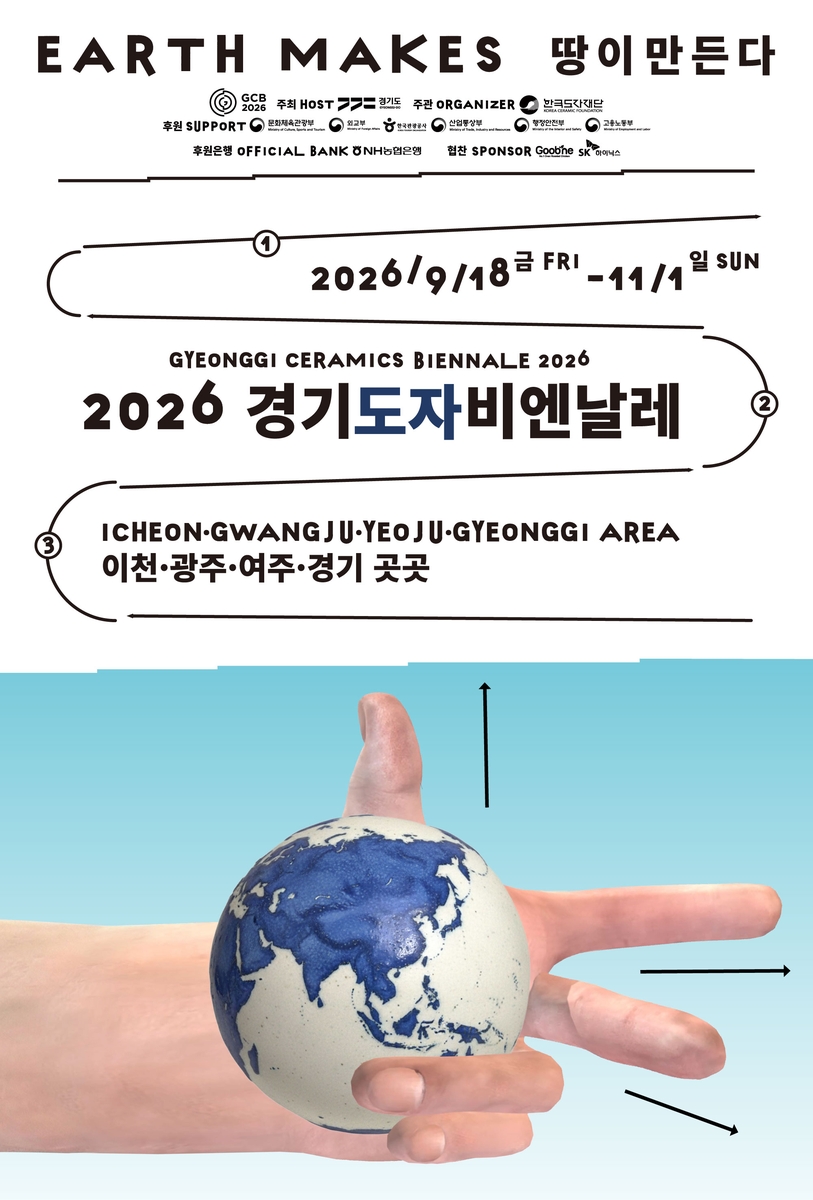
South Korea’s Only Ceramic Arts Festival: ‘2026 Gyeonggi Ceramic Biennale’ Opens
Gyeonggi-do and the Korea Ceramic Foundation announced the launch of the 2026 Gyeonggi Ceramic Biennale (GCB), the only international bienna…
Seoul’s Jeong-dong District to Launch Night Landscape Project
Seoul’s Jung-gu is set to revitalize the Jeong-dong district, an area dense with modern historical and cultural heritage, by enhancing its n…